Global LED Virtual Production Studio Solutions Market Set to Grow at 16.6% CAGR
The volume keeps climbing. The global LED Virtual Production Studio Solutions market is projected to expand at a 16.6% CAGR, according to a market report flagged by EIN News.
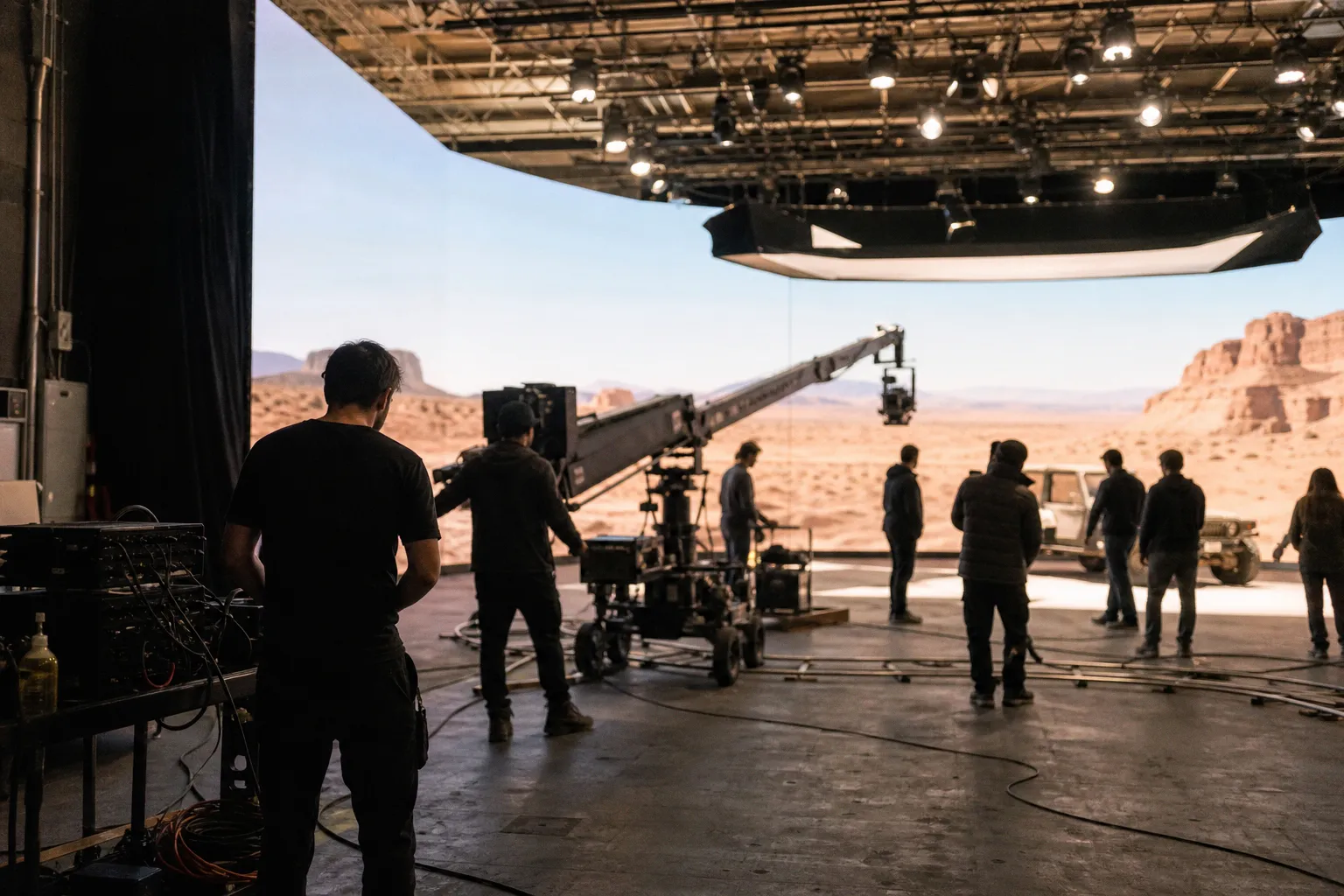
Why 16.6% is the line that matters
A double-digit compound rate for a hardware-heavy category doesn't run on buzz — it runs on committed capital. When LED volume solutions compound at that pace, the downstream effects stack quickly: more stages breaking ground in new regions, deeper rental inventory, more crews cross-trained in real-time pipelines, and mounting pressure on chroma-key and location-shoot budgets to defend their line items. The arithmetic is blunt. If your facility is still running a purely green-screen pipeline, you're positioning against the curve.
The other tell is what the rate doesn't include. Hardware is only one layer of a virtual stage. Real-time rendering engines, camera-tracking systems, color management workflows, and on-set Unreal integration all ride the same wave. A market expanding this aggressively pulls the entire ecosystem with it — from volume manufacturers to software vendors, from integrators to the freelance operators who can keep a stage running through a 14-hour day.
What this actually changes on set
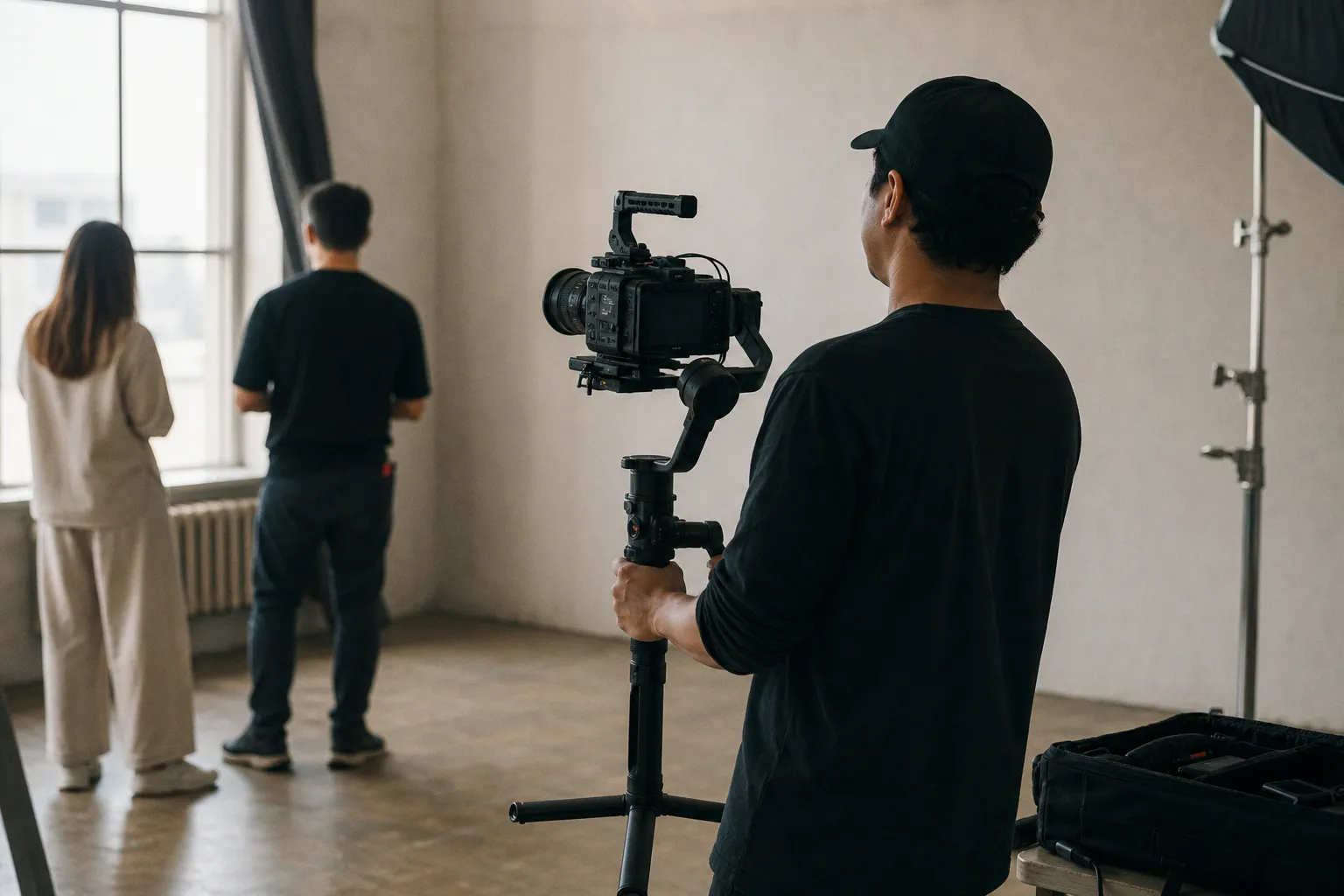
For working cinematographers and episodic producers, the operational question is no longer whether virtual production is viable — it's when regional rental capacity catches up. A 16.6% growth trajectory implies new LED volumes opening in mid-tier markets, not only the established flagship hubs. That opens real access for indie features, series work, and commercial campaigns that previously couldn't justify travel to a premium stage. It also tightens the talent market for crew fluent in real-time rendering, Unreal integration, and on-set color management — skill sets already pulling premium day rates on major productions.
There's a second-order effect worth flagging. As more mid-budget projects get access to LED stages, the expectation gap between "big studio look" and "indie look" narrows. Audiences stop reading a virtual background as premium. That shifts competitive advantage away from access to the wall and back toward camera work, lighting design, and the actual storytelling happening in front of the panel. The volume becomes a commodity. The eye behind the camera doesn't.
The move worth pricing now
Studios weighing their own LED volume against a continued rental-and-location model should treat this number as a clock, not a headline. Facilities that commit during this growth phase lock in cost basis before the curve makes the hardware standard infrastructure — early enough to differentiate, late enough to have working configurations to study rather than guess at. For independents, the path is simpler: start mapping which regional stages are likely to come online in your shooting window, and build relationships with their technical teams now. Capacity follows the curve. So should your schedule.