Sony BURANO from Sony Group Corp. - compact 8.6K cinema camera targets pro productions
The 16-stop question lands first. Sony's BURANO carries a back-illuminated full-frame sensor capturing up to 8.6K in 17:9, with Super 35 5.8K and multiple anamorphic formats. The cited dynamic range figure is 16 stops.
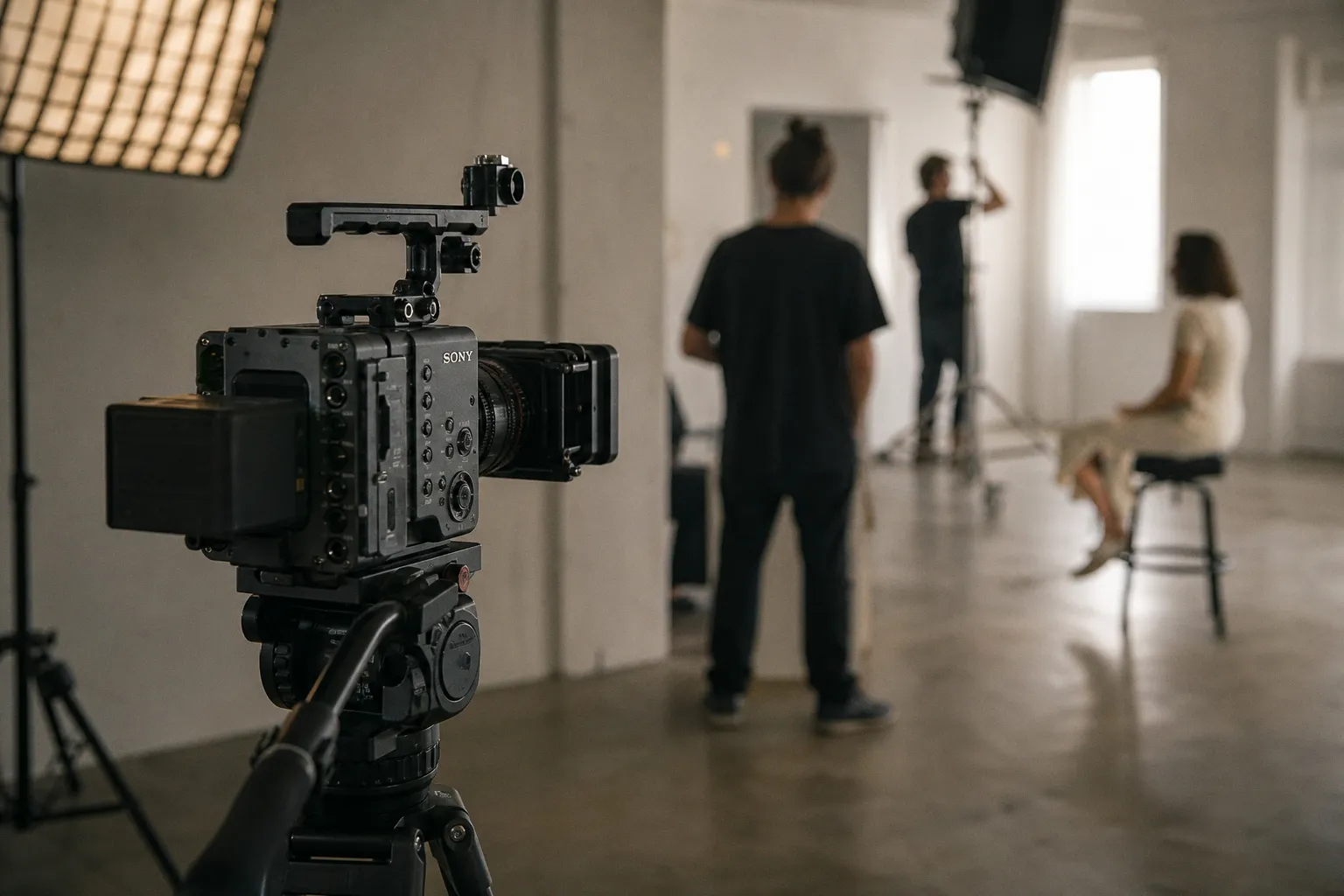
Sensor architecture is Venice-derived. So is the color pipeline. The difference is the physical envelope. The mount is interchangeable between PL and Sony E, keeping rental inventory compatible across both lens ecosystems. CFexpress Type B handles internal recording in X-OCN LT and the XAVC family. No external recorder required for most workflows, a weight saving on Steadicam and gimbal rigs that translates directly into operator hours.
What changes at this price
US dealer listings place body-only pricing near $25,000. That positions BURANO above the FX6 and FX9 tier and below Venice 2, a slot Sony has not filled before. Alan Roberts, the veteran camera tester, called the control layout "pragmatic" in early field commentary. Integrated ND filters, a side panel that surfaces exposure and frame-rate adjustments without menu diving. Documentary geometry, not studio geometry. Kazunori Ogura, one of Sony's cinema product managers cited at launch, framed the body as a response to DPs asking for Venice-level images in a single-operator-friendly form.
IBIS is the structural bet. In-body stabilization on a large-sensor cinema body changes weight math on handheld and shoulder work. A brief demo move reportedly tracked cleaner than a stock full-frame cinema sensor should. Sensor-shift at 8.6K resolution will also magnify micro-vibration under long glass. That trade-off lives on the bench, not in the brochure.
Practical checks before the PO
- Dynamic range confirmation. Run an Xyla or equivalent against a 90% white card at both base ISOs. The 16-stop figure is a manufacturer number until your scope contradicts it. HDR streaming delivery is unforgiving; theatrical grade is more unforgiving still.
- Dual base ISO measurement. Verify both ratings on a waveform monitor, not marketing copy. Lower base governs highlight headroom; higher base governs the noise floor at the top end. Where the two meet is your clean working range.
- IBIS handshake. Sony lists IBIS without quantifying it. Test at 24p, 30p, and 60p handheld on a fixed subject across increasing focal lengths. Log where the image stops looking stabilized and starts looking digitally corrected.
- X-OCN LT through sustained 8.6K. Bitrate, card duration, thermal envelope over a real shooting day. Thermal behavior is not printed on the data sheet.
- Mount swap time. PL-to-E workflow adds minutes at the top of the day. Build it into the kit list, not the call time.
Bottom line: BURANO is not Venice 2 repackaged. It is a specific compression of Venice 2 — sensor, color science, and ergonomics tuned for crews running one operator on the body and one card in the slot. The price targets rental houses and serious owner-operators, not casual creators. The 16-stop claim is the single number that defines whether the body earns its slot above the FX line. Test it on your own charts before the commitment.