The best mirrorless cameras in 2026: these are my top choices for photography and video
Three imaging outlets dropped mirrorless camera roundups within five days of each other. Amateur Photographer published "The best mirrorless cameras in 2026" on June 22. SonyAlphaRumors ran a Sony-specific wedding list on June 21.
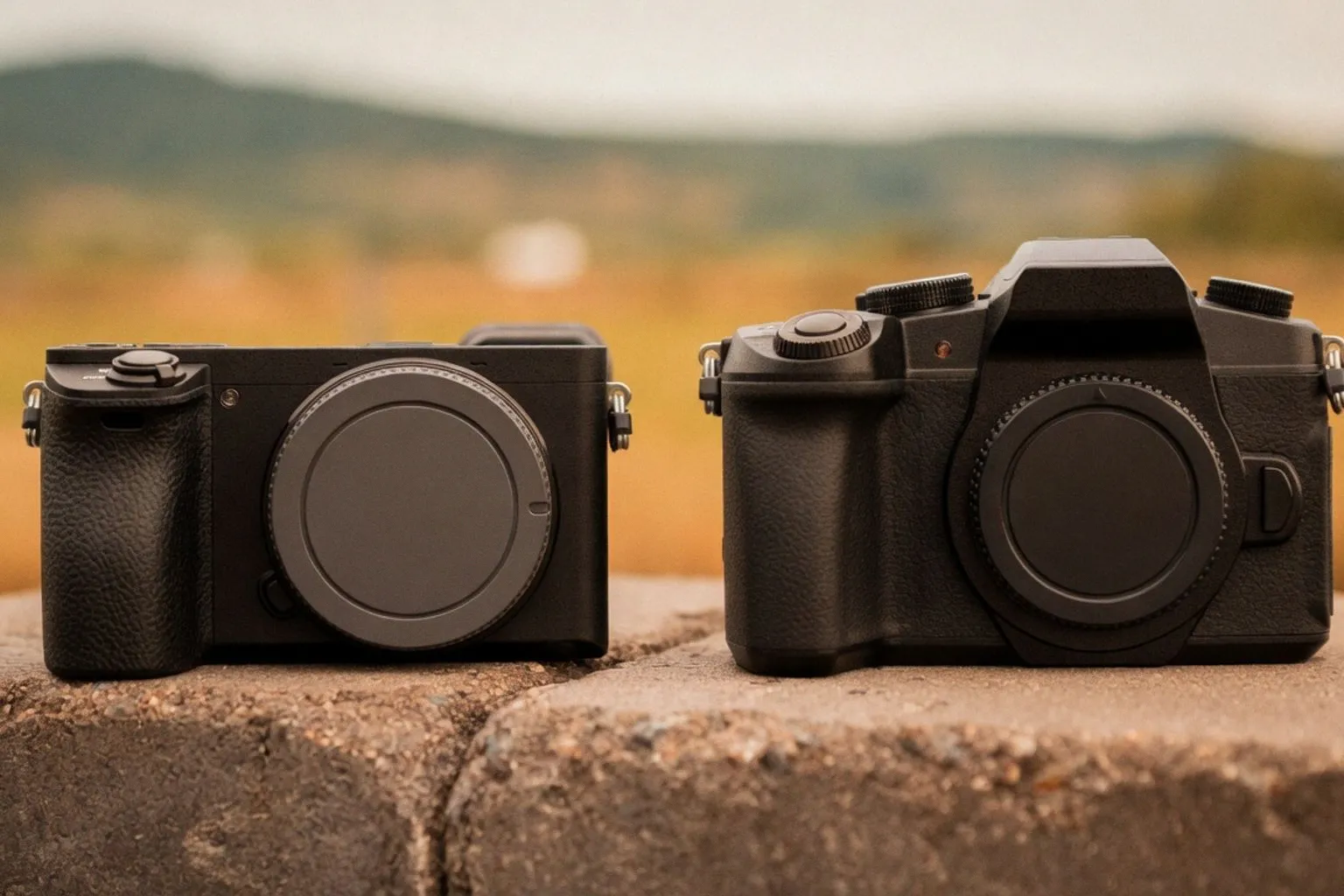
The published selections
The Amateur Photographer piece frames its 2026 picks across both stills and motion work. SonyAlphaRumors narrowed its scope to wedding shooters and filmmakers, staying within one mount system. Herzindagi's coverage pits two manufacturers against each other, surfacing five models targeting creators who split time between photo and video capture. All three are listicles built on aggregated testing. None publish raw sensor data.
Spec sheets vs. field tolerance
Manufacturer claims rarely survive contact with real workloads. Verify rolling shutter against independent measurements, expressed in milliseconds, not "fast readout" copy. Confirm dynamic range in stops at both base ISO and the expanded settings that video operators actually use under tungsten and mixed lighting. The IRE chart on the spec sheet is marketing. Waveform captures from third-party labs are data.
Codec behavior needs the same scrutiny. Check maximum sustained bitrate, color sampling (4:2:2 vs. 4:2:0), and the thermal envelope at the recording resolutions you intend to run. A camera that records unlimited 4K at 23°C ambient will throttle at 28°C on a live event. Check independent thermal tests. CIPA IBIS ratings in stops do not equal usable handheld footage. Test IBIS performance at the focal lengths and frame rates you shoot.
Methodology to demand from any roundup
Pull the firmware version current at testing. A camera shipped with launch firmware and updated six months later is a different tool. Manufacturers routinely patch codec bugs, thermal ceilings, and AF behavior post-launch. A "best of 2026" body benchmarked in January may behave differently in June.
Demand independent lab data. DxOMark sensor scores, rolling shutter numbers from dedicated cinema testing outlets, and dynamic range measurements at the specific ISOs that matter for your exposure latitude. Manufacturer datasheets are the floor, not the ceiling, of what to verify.
The roundups are useful as triage, not procurement. Pick three candidates from the lists. Run them against the same lens at matched exposure. Measure your tolerance for their weaknesses. That is where the actual decision gets made.