The Sony FX5 has been "confirmed" for July –with a global shutter sensor and "mini Venice" cinema features
Sony Alpha Rumors, citing Weibo tipster E8M_8888 and Chinese MIIT filings, reports a July announcement for the Sony FX5 — a successor to the FX3 that allegedly moves to a global shutter sensor and adds 5K open gate 3:2 capture.

Sensor and readout
The global shutter implementation is reportedly distinct from the unit in the Sony A9 III. Source articles do not disclose base ISO, dynamic range tolerance, or dual-ISO behavior for the FX5 sensor — those metrics will determine whether the global shutter carries the same low-light penalty observed on prior Sony GS designs.
5K open gate 3:2 is the headline capture mode. That ratio captures the full sensor area, allowing in-camera framing for 16:9, 17:9, and 9:16 vertical deliverables from a single master without upscaling. For documentary, event, and hybrid shooters delivering to multiple aspect ratios simultaneously, this resolves the crop-and-resample penalty the FX3 generation has carried.
Body and I/O
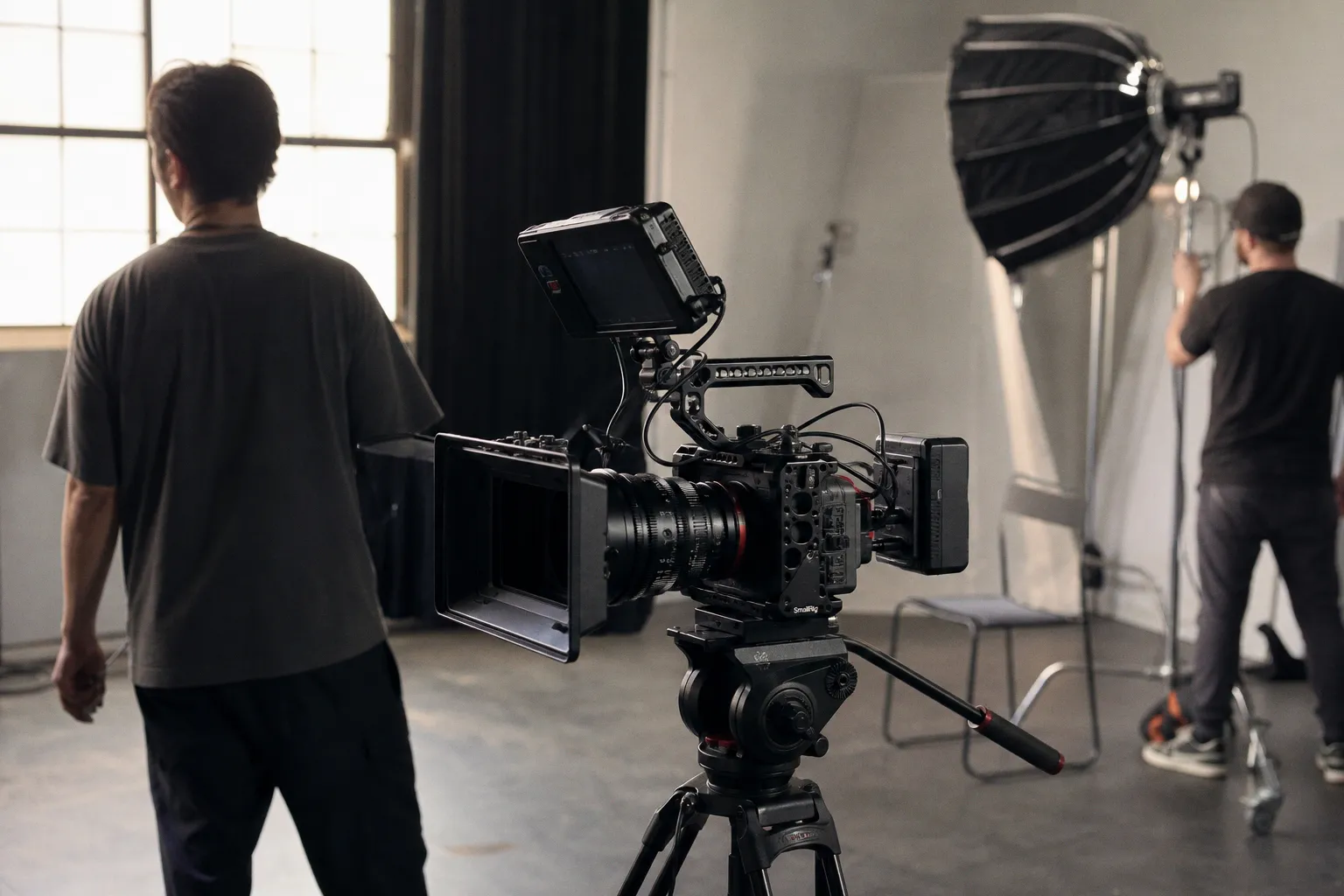
Sources describe a modular chassis that abandons Alpha menu logic. Button layout reportedly inherits Venice configuration. Confirmed peripheral support in the sourced material: XLR top handle, external EVF, SDI output. Unconfirmed in any source: HDMI specification, internal recording codec, internal ND filter stack, RAW internal option.
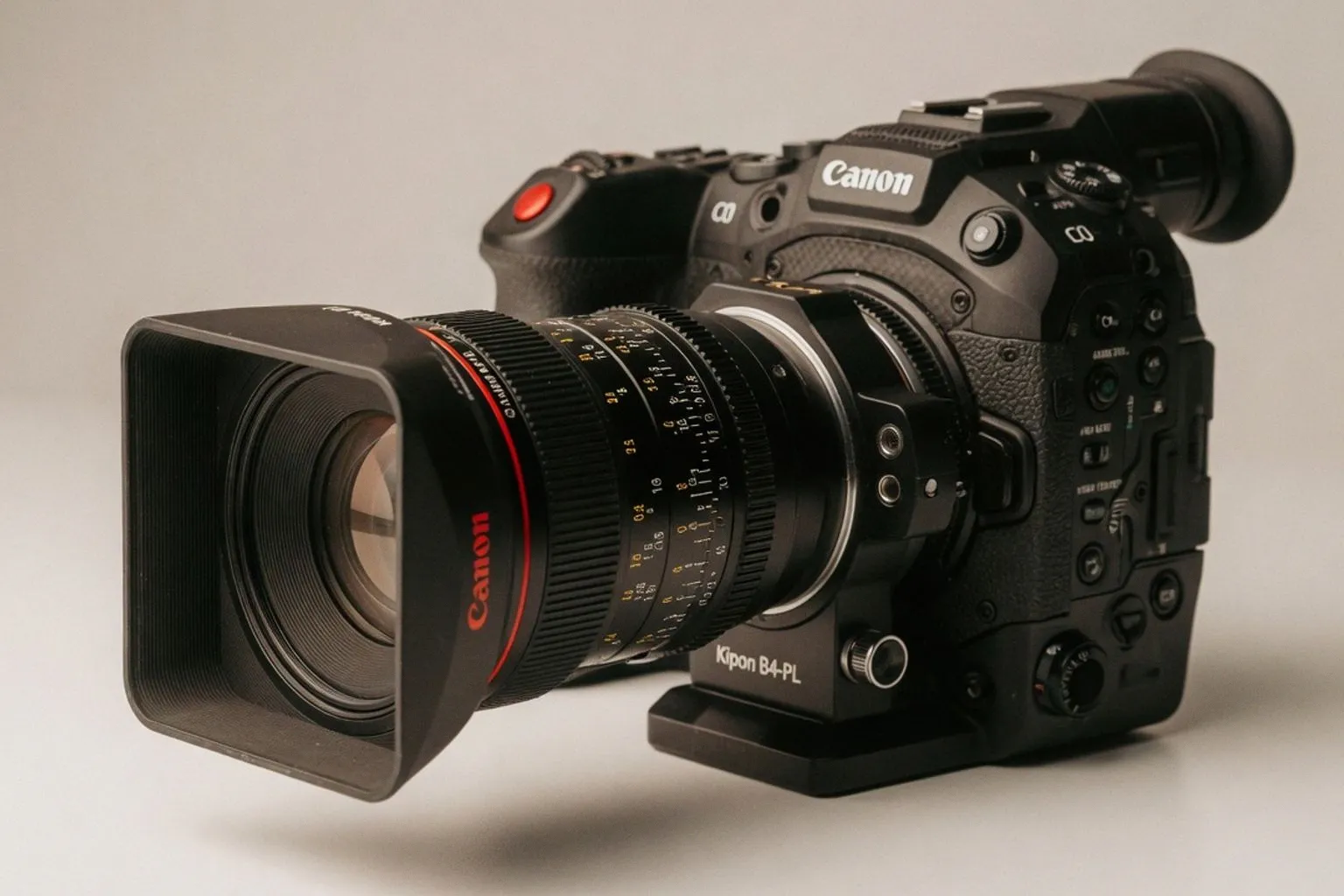
This places the FX5 directly against the Canon EOS C50 and Nikon ZR, both of which already ship open-gate or near-open-gate capture in compact bodies. Sony's "mini Venice" framing — reinforced by the CineD report on the VENICE Extension's tethered sensor block and its deployment on Avatar sequels — implies Venice color science and monitoring pipeline. The engineering test at announcement will be whether that lineage inherits functionally or stops at the menu layer.
What to verify in July
Three metrics will determine whether this is a genuine shift or a spec-sheet refresh. First: confirmed global shutter readout architecture — true global shutter versus rolling shutter with electronic correction. Second: measured dynamic range in stops against the Canon C50 and Nikon ZR. Third: internal codec ceiling and any RAW-internal path. Until those numbers are published, the "mini Venice" label is aspirational, not engineering.