Drone Camera Market Set to Reach USD 25.39 Billion Amid Rising Demand for Aerial Imaging, Industrial
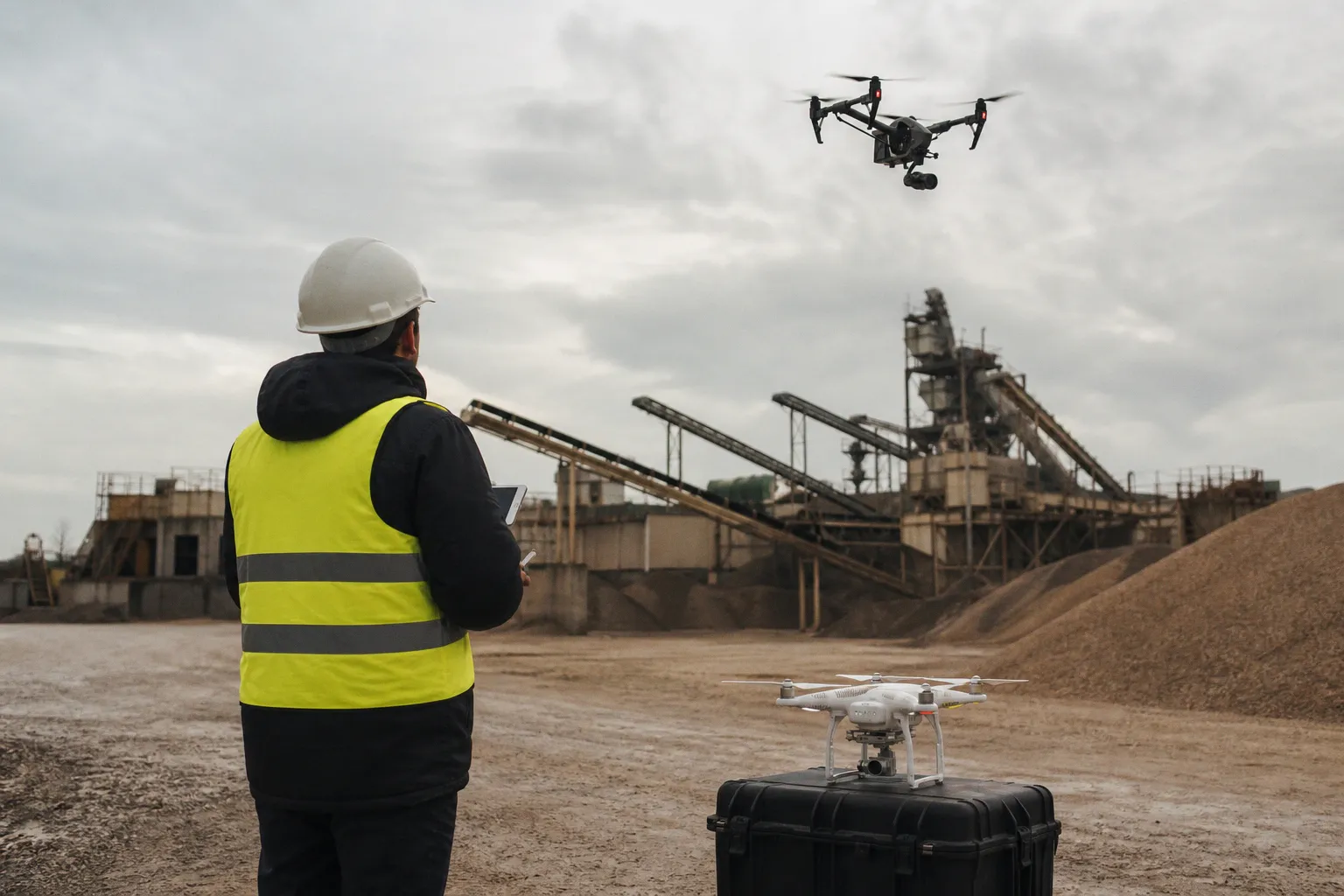
A market projection cited by EIN News puts the drone camera segment on a path toward USD 25.39 billion, with industrial demand and aerial imaging cited as the primary drivers.
Market Figure Is Not Sensor Performance
The USD 25.39 billion target covers hardware deployment across industrial and commercial use cases. That scale says nothing about dynamic range measured in stops, native ISO, rolling shutter behavior, or lens resolving power against chromatic aberration benchmarks. Manufacturer priorities in this segment still lead with resolution and frame rate; color science, latitude, and IRE handling typically follow. The metric a working cinematographer should track is optical tolerance per dollar — not aggregate market size.
Adjacent Reference: Spaceborne Sensor Tolerances
A separate projection published via vocal.media, covering the space camera market, offers usable benchmarks. That segment is forecast to grow from USD 2.5 billion in 2025 to USD 11.4 billion by 2035, a 16.4% annual rate. Electro-optical payloads hold 47.6% of the technology share; traditional satellite cameras, 41.8%. Per the source, onboard AI filtering reduced downlink volume by 40–60% without losing analytical value, and ground-side AI cleanup raised usable data rates by over 30% in test campaigns. For drone operators, the signal is consistent: preprocessing and intelligent frame selection are shifting from premium feature to baseline requirement, with implications for onboard storage and post-pipeline.
What to Verify Before Next Acquisition
Before committing budget, check the following against actual shoot requirements: sensor format and native ISO, dynamic range in stops at base ISO, maximum usable frame rate at target resolution, codec support (ProRes, RAW, H.265), and color sampling depth — minimum 4:2:2 for any meaningful grading latitude. Industrial-rated airframes carry tighter manufacturing tolerances, but the premium is only justified when the production envelope demands it. For typical narrative work, a mid-tier sensor paired with calibrated ND filtration and a properly charted exposure range usually outperforms chasing the latest flagship spec sheet. Foot-candle handling in low-light flight conditions remains a separate, often under-tested variable that deserves a dedicated test pass before any locked-off production day.