The best tools for vertical video production in 2026
You've been there: a client drops a 9:16 deliverable on your timeline at 11 PM, and suddenly your carefully composed 16:9 master has to give up a third of its frame. We've been duct-taping vertical cuts for half a decade.
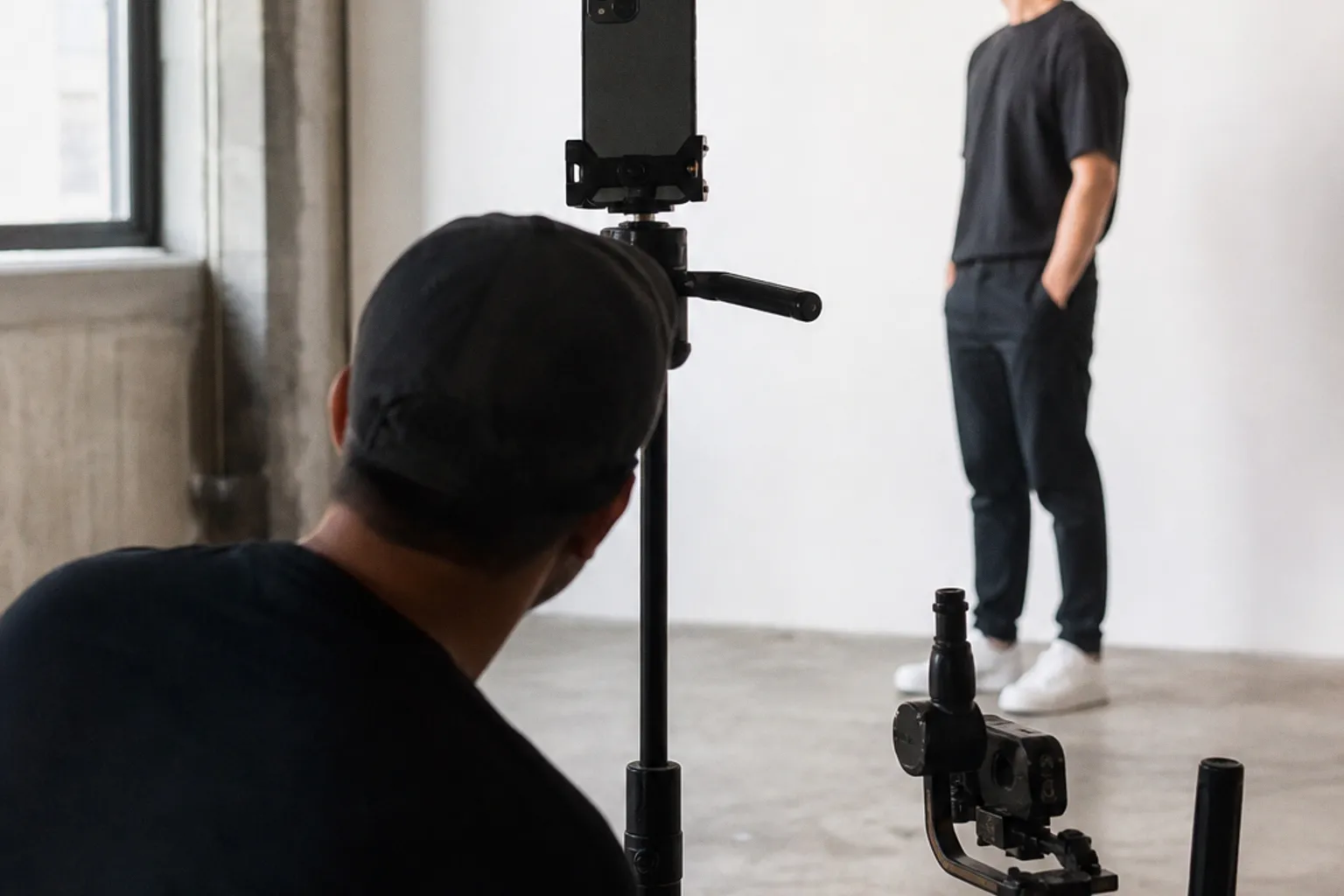
On April 30, Netflix launched Clips, a vertical feed built around how people actually hold their phones. Disney+, Paramount+, and Peacock are already running similar experiments. That's an industry shift, not a hobby — and it will land in your inbox as a new master spec before the quarter is out.
What changed in the toolchain
The classic workaround — shoot open gate, reframe later — still works, but it forces composition decisions in post, and you surrender meaningful resolution when you crop a horizontal sensor down to 9:16. If that compromise has been costing you keepers, 2026 brought the first hardware answer built for the job: the Bosma VEGA H2, unveiled at NAB 2026. Its HVS (Horizontal Vertical Switching) system physically rotates the CMOS sensor, lens mount, and lens 90° in sync, so you get full-pixel capture in either orientation with zero crop loss. It's a 6K full-frame cinema body at $4,999, aimed at solo documentary, live streaming, and short-form narrative work, shipping in July.
Before you queue it on a real job, run the usual diligence on a newer manufacturer: lens ecosystem, service infrastructure, and whether the real-world image holds up against the spec sheet. Don't expect Sony or Canon to rush out a mirror clone — there's no public roadmap so far.
Meanwhile, the device handling native 9:16 since day one is in your pocket. iPhones and Android flagships shoot vertical-first, let you edit on-device, and push straight to deliverable without ever opening an NLE. That sharpens a question worth raising on your next kickoff: what does "professional vertical" actually need to mean when a phone handles the format natively and a $5K cinema body just learned the same trick?
Keep one eye on the audio side of post
A second workflow story dropped this week: Boris FX acquired iZotope from Native Instruments, pulling Ozone, Neutron, and RX under the same roof as Sapphire, Continuum, and Mocha Pro. Boris FX also picked up Vegas Pro, Sound Forge, and Acid Pro from MAGIX back in March. iZotope's Todd Baker stays on as VP of product, and licenses remain fully active — no action required right now. Just know that those plugins still carry the Native Instruments label, so once the transition is complete, both branding and update cadence will likely shift. If your noise-reduction workflow leans on RX, this is one to track quietly.
What to do this week
- Audit your last three vertical deliverables: did open-gate reframing cost you resolution you could have kept?
- If the VEGA H2 fits your kit, confirm lens availability and actual shipping dates before committing to a pre-order.
- Snapshot your current iZotope activation status and export your custom presets — parent companies change, and migrations rarely preserve everything cleanly.
- Put "portrait orientation" on your next client kickoff as a first-class format, not a reframe afterthought.