These Powerful, Pocket-Size Cameras Make Truly Excellent Photos
A 20-megapixel 1-inch sensor in a body the size of a deck of cards. That is the core metric behind The New York Times' recent compact camera recommendations, and the data point any working…
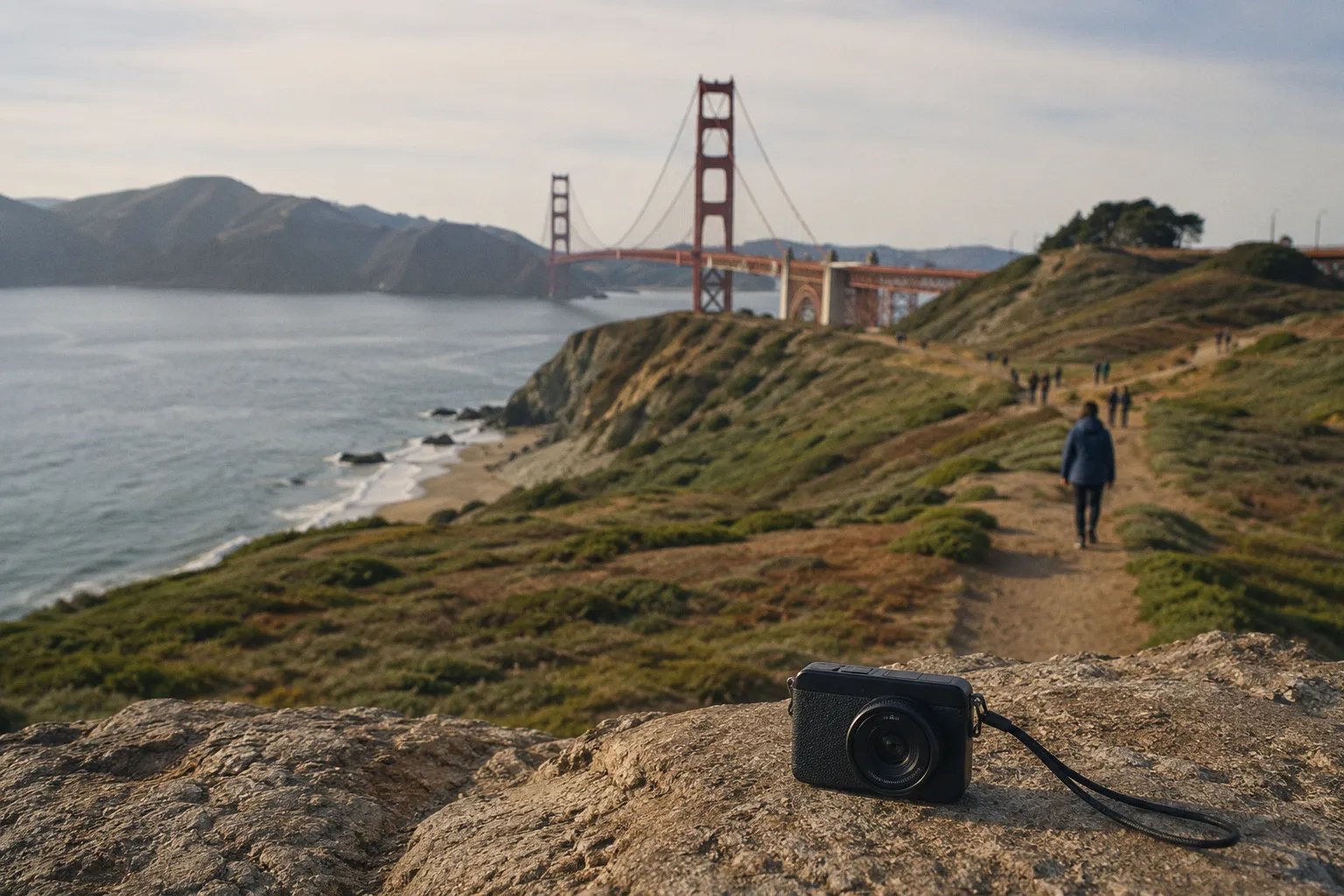
A 20-megapixel 1-inch sensor in a body the size of a deck of cards. That is the core metric behind The New York Times' recent compact camera recommendations, and the data point any working cinematographer or hybrid shooter should anchor to before pulling out a credit card.
Sensor Metrics: Why the Footprint Matters
Smartphone sensors have closed the gap on convenience. They have not closed it on light-gathering surface area. The NYT's primary pick — the Sony RX100 VII — runs a 1-inch type sensor delivering 20MP native resolution. That footprint exceeds the 1/1.3-inch and smaller formats packed into current flagship phones. On the bench, this translates to better signal-to-noise ratios at equivalent ISO, wider dynamic range, and the option to render shallower depth of field for subject isolation.
The RX100 VII's 8.3x optical zoom — roughly 24-200mm equivalent — widens the delta further. Phones simulate focal length through cropping, multi-frame stacking, and computational interpolation. A real optical zoom preserves native resolution at every focal length and holds up under magnification in post.
Autofocus Performance and Handling
The NYT rates the RX100 VII's autofocus tracking as the best in the compact class. For run-and-gun shooters tracking talent, athletes, or event subjects, the difference between dedicated AF systems and smartphone contrast-based focusing is measurable in keeper rates and hit ratio. That is a working metric, not a marketing one.
The body integrates a tilting touchscreen, physical control dials, and a pop-up electronic viewfinder. The EVF matters. Composing on a phone LCD works in shade. In direct sunlight, the EVF eliminates glare, restores a stable sightline, and brings back the eye-to-axis discipline that LCD-only rigs cannot replicate.
Stock Reality and Buying Logic
The NYT flags a supply constraint worth respecting. Several high-end compacts ship in small batches and sell out quickly. Backorders are routine. None of the recommended models are discontinued, but lead times can stretch. The practical move: check authorized dealer inventory, then the used market. Previous-generation RX100 variants (Mark V, Mark VI) typically settle at meaningful discounts and retain the core 1-inch sensor performance.
The roundup also surfaces three other form factors worth hands-on evaluation:
- A superzoom with strong reach and image quality, no weather sealing. Not for wet sets, marine work, or uncontrolled environments.
- A wide-angle-only compact with an APS-C sensor and a sharp prime-grade lens, no viewfinder. Suited to street and architecture. Not for telephoto.
- A retro-styled body with tactile dials, film simulation modes, and a hybrid optical/electronic viewfinder. Rangefinder-adjacent ergonomics; expect slower AF throughput.
The Verdict
If portability, optical zoom, and best-in-class AF tracking are non-negotiable, the Sony RX100 VII is the measured call. Confirm dealer stock first. For tighter budgets, the Mark V and Mark VI remain viable on the used market. Everything else in the NYT roundup is a category-specific compromise: accept the stated limitation, and the camera delivers. Ignore it, and the tool will fight you on location.