Video Production Equipment Market to Reach USD 83.6 Billion by 2035 | APAC & North America Growth Analysis
Forget the camera body debates. The real story for anyone running a studio or planning a slate is embedded in fresh market projections: the video production equipment sector is on track to hit USD…
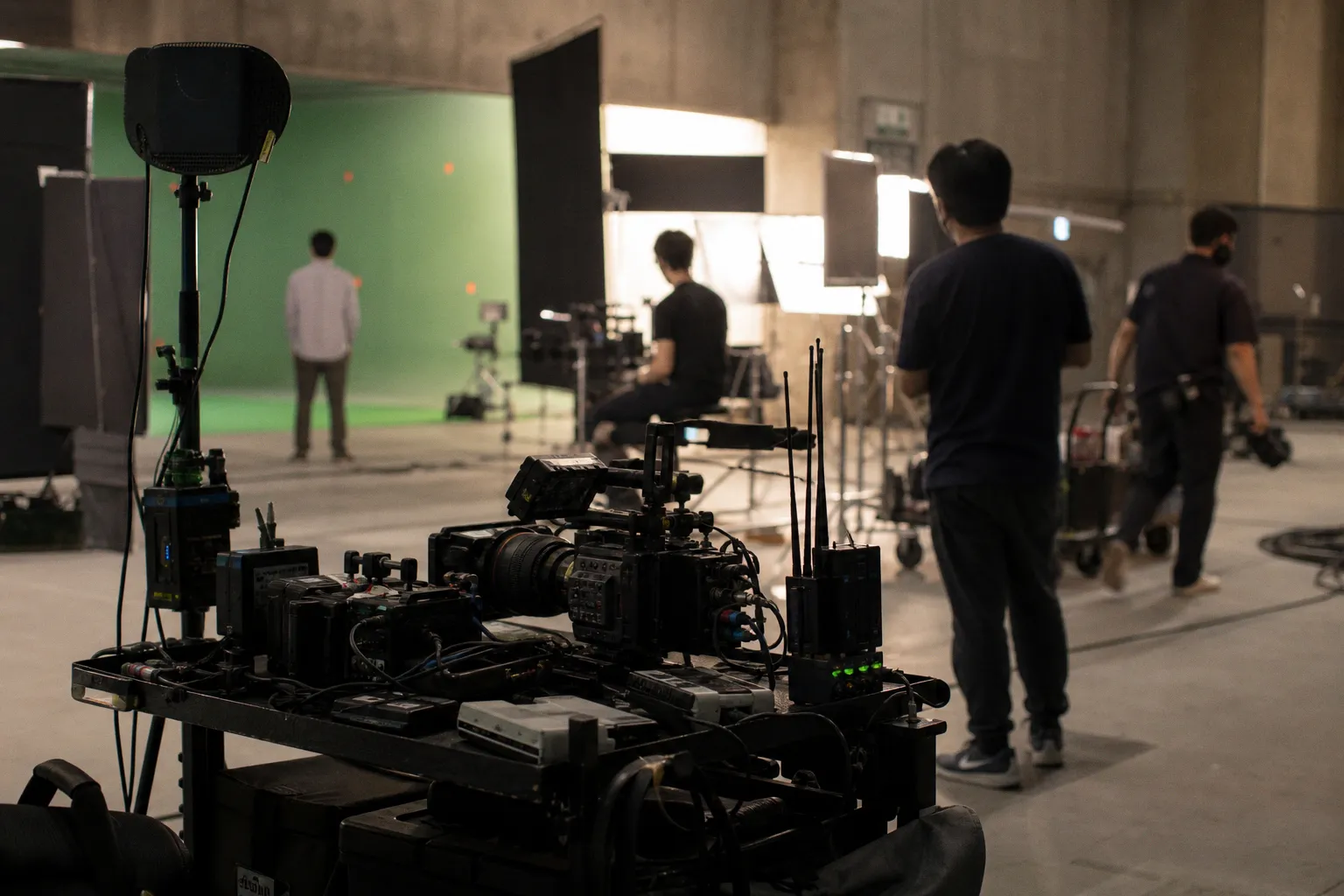
The Gear Market Just Sent a $83.6 Billion Signal — Are You Reading It Right?
Forget the camera body debates. The real story for anyone running a studio or planning a slate is embedded in fresh market projections: the video production equipment sector is on track to hit USD 83.6 billion by 2035, with APAC and North America driving the lion's share of that growth. Meanwhile, parallel forecasts peg the AI camera segment alone — think computer vision, neural processing units — at north of $120 billion in the same window. Two numbers, one unmistakable direction: the hardware ecosystem is splitting into legacy glass-and-lens workflows and AI-native capture pipelines. Which side are you budgeting for?
AI Cameras Are Eating the Budget Line
Look at the companion data. Reports from SNS Insider and GlobeNewswire flag the Computer Vision AI Camera market exceeding $120.60 billion and Smart Cameras with Neural Processing Units gaining serious traction — both by 2035. These aren't niche gadgets anymore. They're becoming the default capture layer for real-time tracking, volumetric sets, and on-set compositing.
What does that mean in practice? If your virtual production stage still relies on a traditional camera feeding raw pixels into a render pipeline with zero on-board intelligence, you're burning compute cycles and latency budget. The new NPUs embedded in smart cameras handle depth mapping and object segmentation at the sensor level. That's not a "future feature" — it's what the market is scaling toward right now. Studio owners evaluating capex should be asking: does this purchase have a neural core, or am I buying yesterday's architecture?
Motion Capture: The Quiet Infrastructure Bet
IndexBox's analysis of the optical motion capture equipment market deserves a closer look from anyone building a VP pipeline. Mo-cap used to be the exclusive domain of AAA game cinematics and tentpole VFX. Now, as real-time engines swallow the latency gap, optical mocap is becoming standard kit for mid-budget episodic work and even branded content.
The market signal here is volume. When analysts start publishing dedicated forecasts for optical mocap — separate from broader camera or rig markets — that's a sign the segment has matured enough to warrant its own investment thesis. For early adopters, this means procurement windows are widening: more vendors, more competition, potentially better pricing on systems that integrate directly with Unreal Engine or Unity's real-time skeletal pipelines.
APAC Rising — What It Means for Your Competitive Edge
Both the $83.6 billion equipment projection and the AI camera forecasts single out APAC and North America as primary growth engines. This isn't just a macro-economic footnote. APAC's surge reflects massive infrastructure buildout — new studios, new streaming platforms, and government-backed production incentives across Southeast Asia and South Korea.
For North American studios and independent creators, the takeaway is strategic: the global floor of production capability is rising fast. You can't outspend that wave, but you can outpace it by locking in AI-integrated workflows now, while the tools are still differentiating rather than commodity. The studios investing in neural capture, real-time virtual sets, and automated post pipelines today will be the ones with margin headroom when the market fully matures.
What to Watch Next
Keep your eye on two signals. First, pricing inflection points for smart cameras with on-board NPUs — once those drop below prosumer thresholds, adoption curves hockey-stick. Second, cross-platform API standardization for mocap and volumetric data. The market is scaling, but interoperability between capture hardware and real-time engines still has friction points. The studio that solves that integration gap in their own pipeline first wins the efficiency war.
The $83.6 billion headline is the market confirming what early adopters already know: the equipment layer is being rewritten in real time. The question isn't whether to invest — it's whether your next gear decision is calibrated for the pipeline you need in 2028, or the one you're still running today.