The best teleprompter in 2026: present content like a pro
A reliable teleprompter remains one of the most cost-effective gear upgrades a presenter or solo operator can make — and the current crop of mid-range units is closing the gap on broadcast-tier rigs.
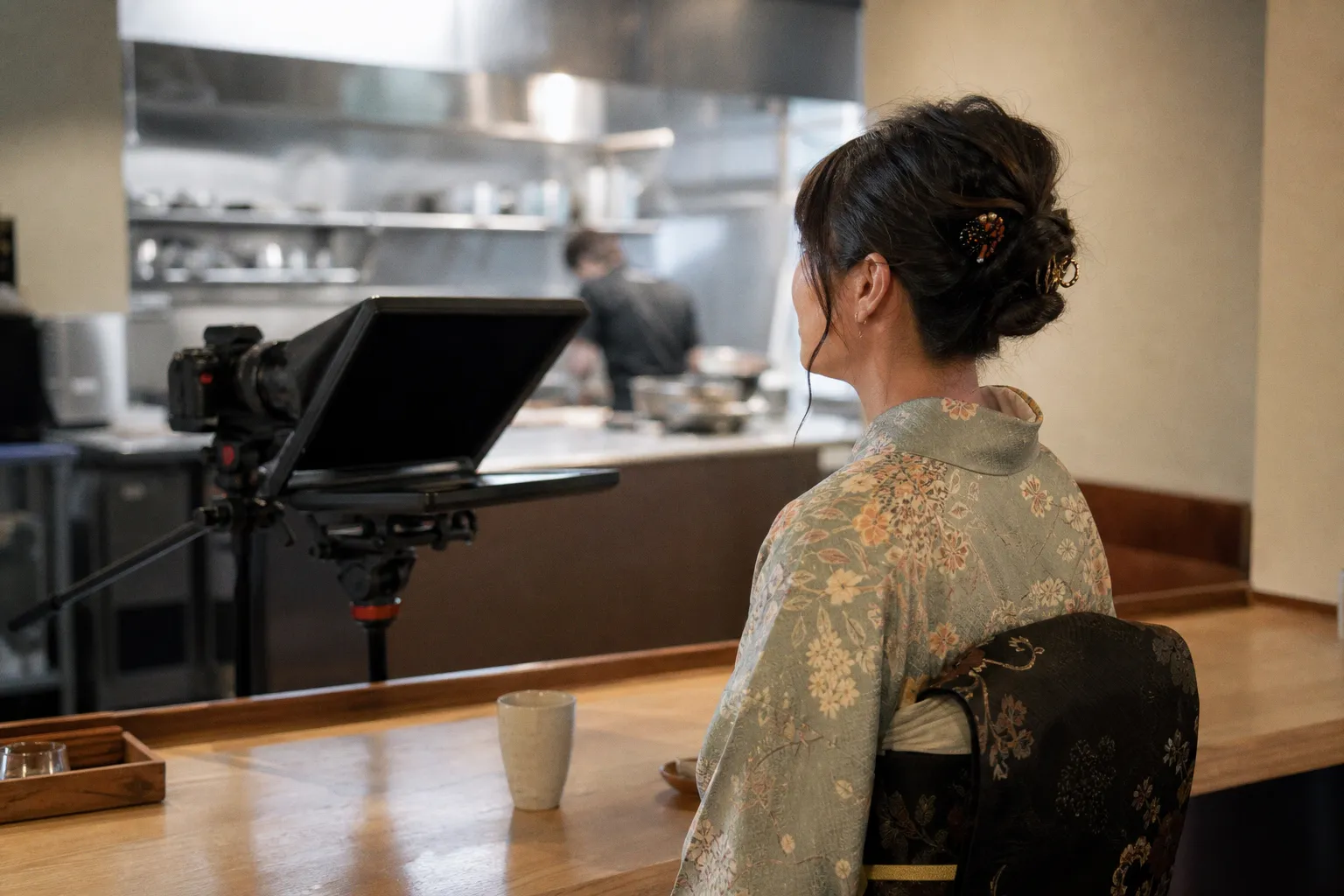
Glide Gear TMP 100: The Metrics That Matter
The TMP 100 accepts cameras ranging from DSLRs to full cinema bodies, plus tablets up to 10.5 × 9.5 inches. In testing, slightly oversized tablets reportedly fit, though iPad Pro dimensions exceed the tray. Readable distance: 10 feet. Frame material: aluminium alloy — no flex, no wobble under load. Beam-splitter glass rated as high-quality, though no cleaning cloth ships in the box.
What's missing matters as much. No bundled prompting software. Expect to pair it with an external app — PromptSmart and Teleprompter Premium are the names that surface most in production circles. Factor that cost ($15–$40 range for premium apps) into your budget. The included travel bag protects the glass adequately, but it's soft-shell, not rigid. If you're field-kitting daily, a hard case swap is worth considering.
Setup time is minimal — tripod mount, camera on the back, tablet tray up front. Pack-down is equally fast. For solo YouTubers, corporate presenters, or anyone running a lean crew, the TMP 100 hits a performance-per-dollar threshold that's hard to argue against. No, it won't replace an Autocue system on a multi-camera live broadcast, but that's not the use case.
The Workflow Question: Prompter + Camera Pairing
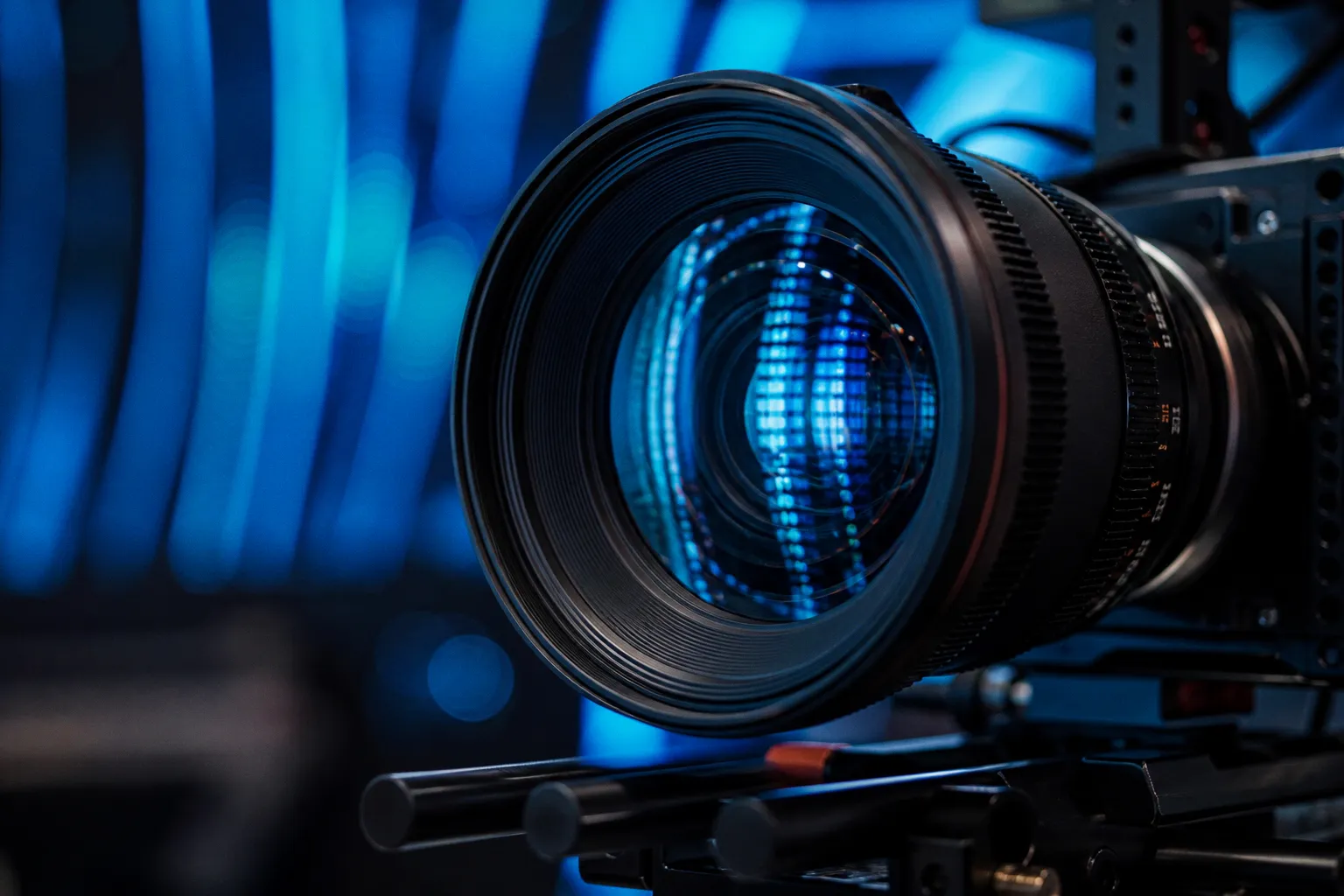
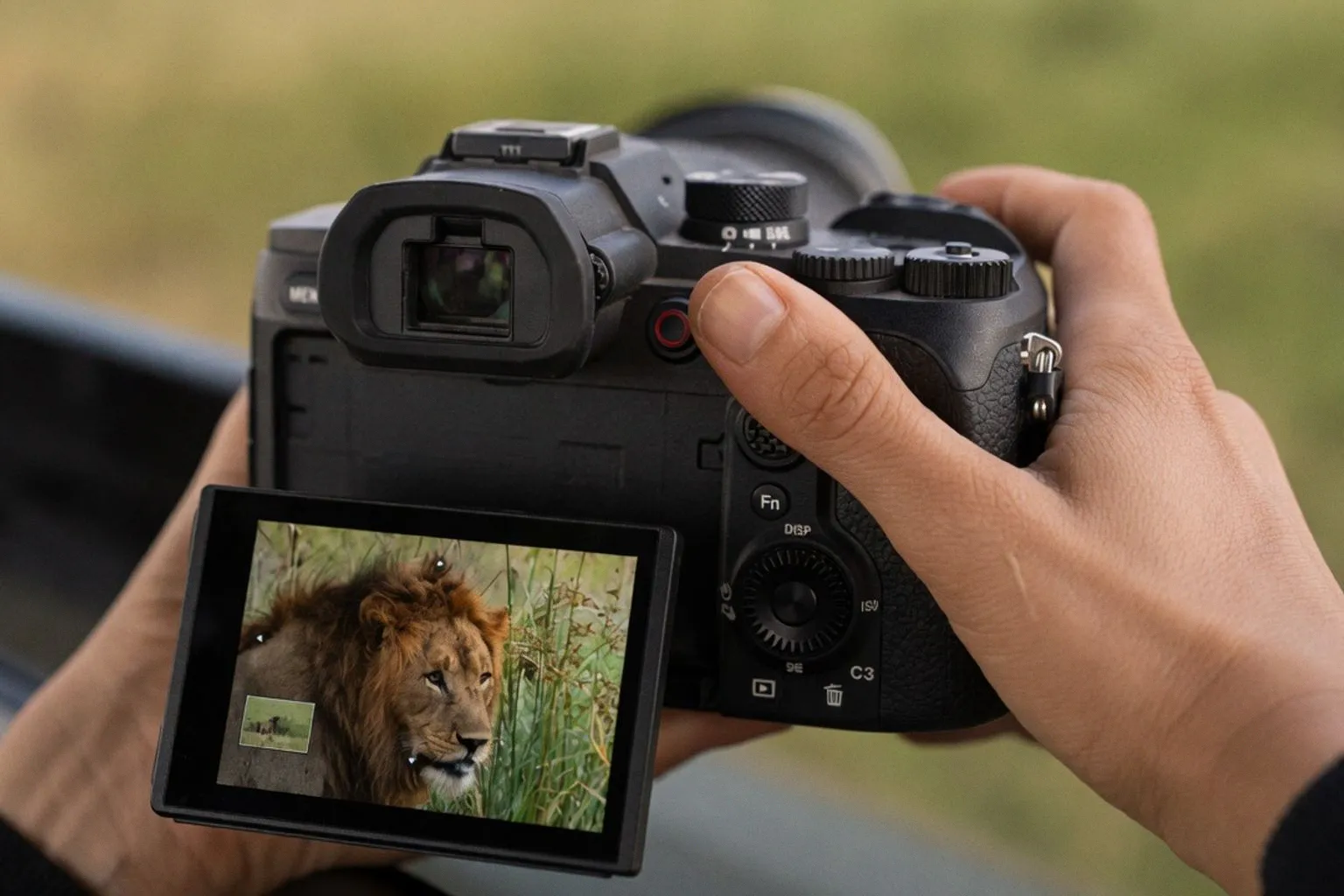
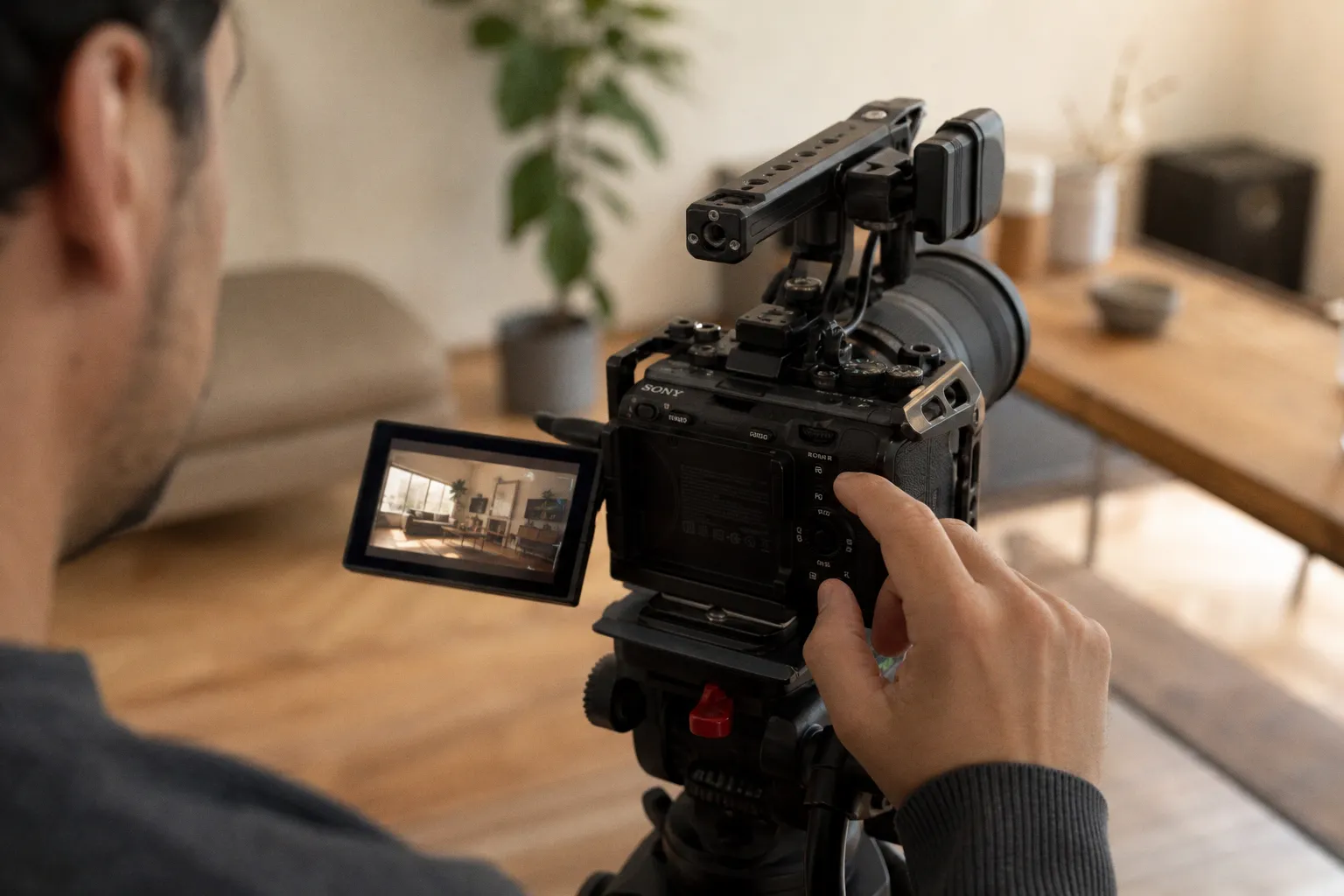
A teleprompter is only half the equation. Glass quality means nothing if your capture rig can't resolve detail or manage exposure variance across a presenter's face. This is where the Canon EOS C300 Mark III enters the frame — literally.
B&H's current $2,500 instant savings on the C300 Mark III lowers the barrier to Canon's DGO (Dual Gain Output) sensor architecture. The DGO sensor splits gain across two readout paths per pixel, yielding expanded dynamic range and reduced noise in shadow regions — metrics that directly affect how a presenter's skin tones and highlight roll-off appear on screen. For anyone evaluating a camera-plus-prompter stack for professional talking-head or corporate work, the combined delta in production quality is measurable, not theoretical.
What to Verify Before You Buy
- Prompter glass reflectivity: Check beam-splitter coating uniformity. Cheap units introduce color shifts at the edges — visible in wider focal lengths.
- Tablet compatibility: Measure your actual device. The TMP 100's tray tolerates near-10.5-inch tablets, but cases add 2–4 mm per side.
- Software latency: PromptSmart uses voice-activated scrolling; Teleprompter Premium relies on timed playback. Test both with your cadence before committing.
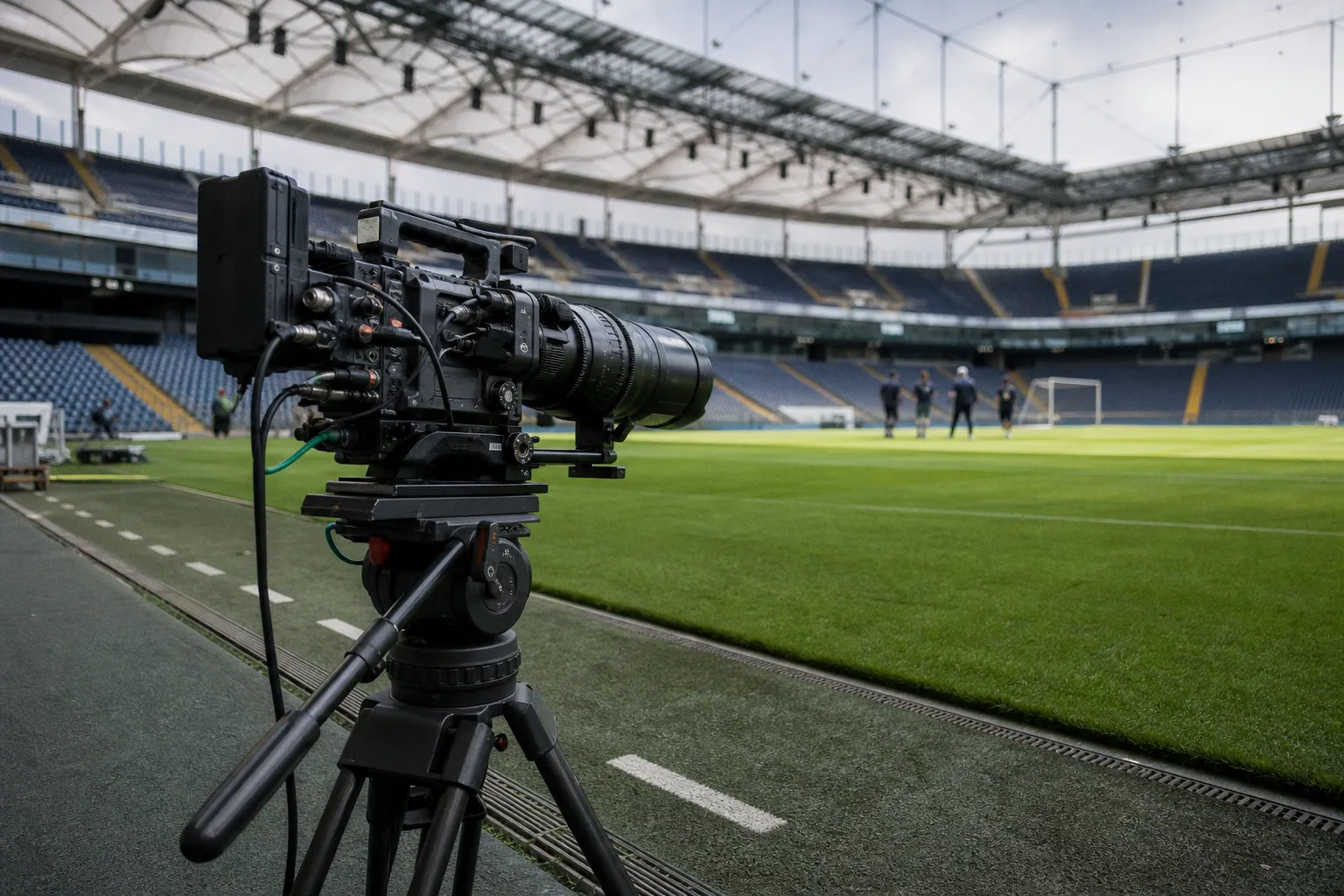
- Camera mounting depth: Long-bodied cinema cameras may shift the center of gravity. Confirm your tripod head can counterbalance the combined weight without creep.
No teleprompter will fix poor script pacing or a lens that resolves poorly at your working distance. But a correctly spec'd prompter paired with a camera that handles highlight and shadow tolerance — that's a quantifiable upgrade to on-camera delivery. The TMP 100 covers the first half. The C300 Mark III at its current price point covers the second. Measure twice, mount once.