Sony launches RX10 V with AI autofocus, 4K 120p video
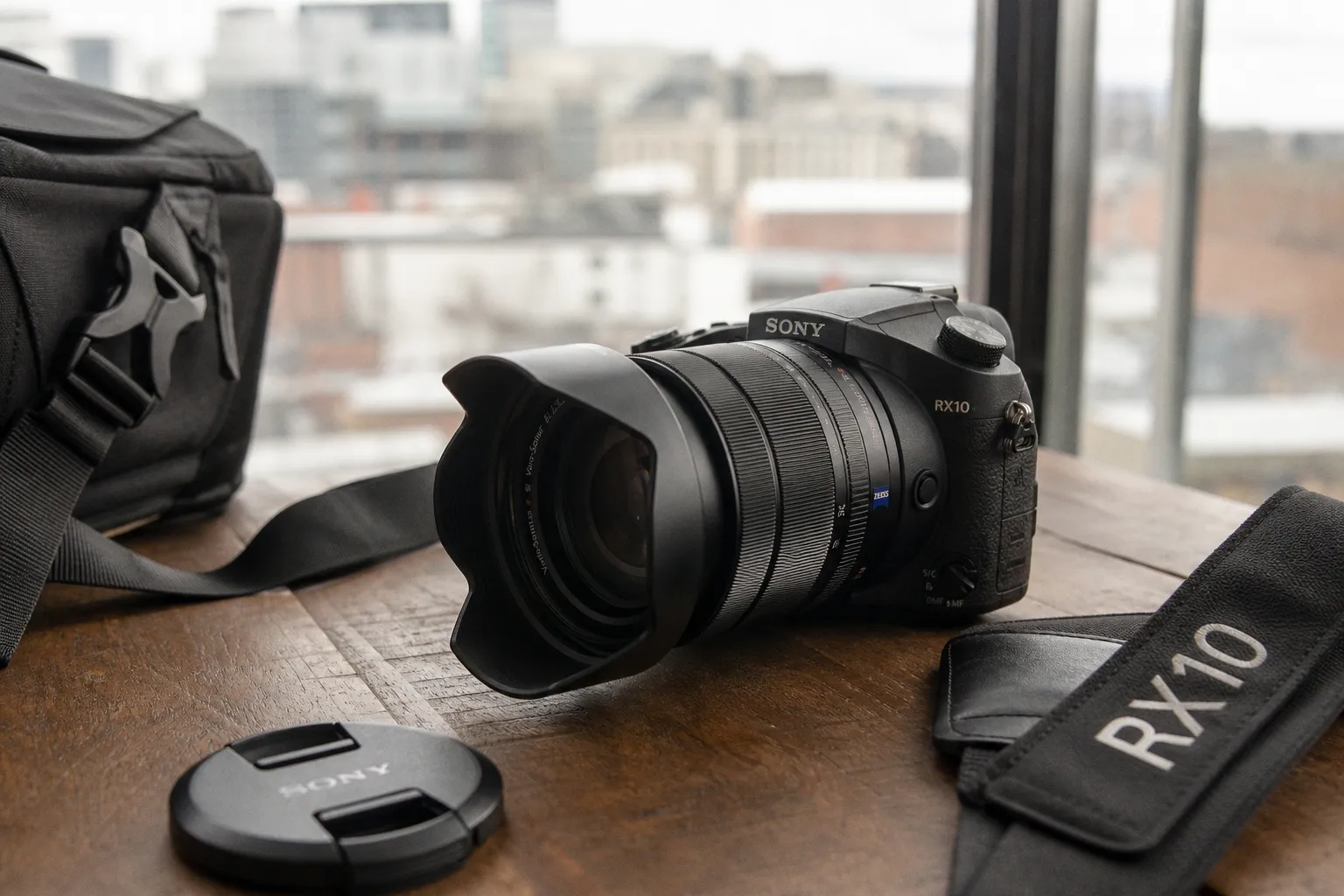
Sony’s RX10 V puts a 24-600mm equivalent ZEISS Vario-Sonnar T* zoom in front of a 20.1MP 1-inch stacked Exmor RS CMOS sensor, then adds AI subject recognition and 4K recording up to 120fps.
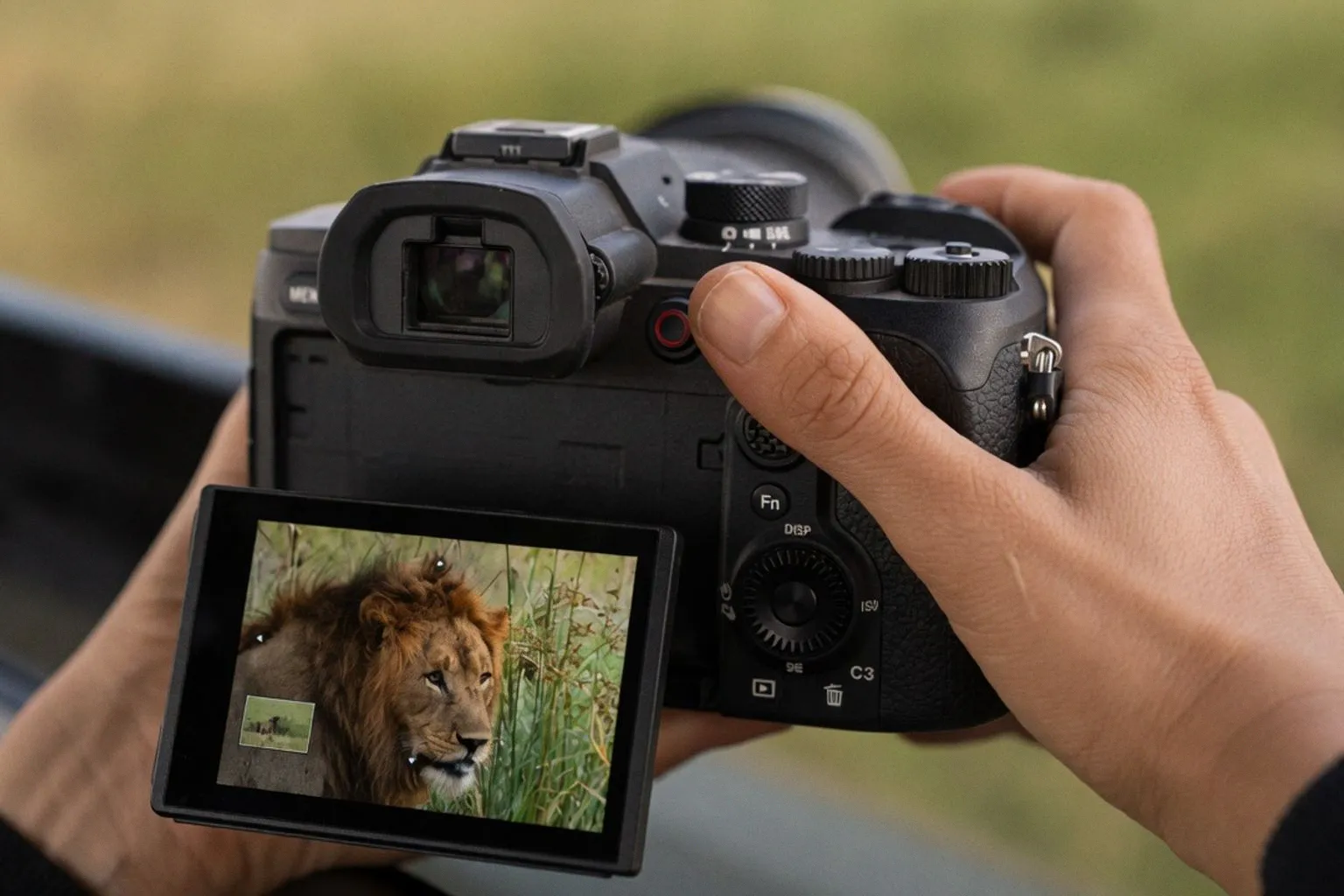
The lens is still the whole argument
The RX10 V keeps the RX10 formula intact: fixed-lens reach first, modularity second. Camera Jabber reports a ZEISS Vario-Sonnar T* 24-600mm equivalent f/2.4-4.0 lens with 25x optical zoom. MobiGyaan’s listing also points to the same 24-600mm and 25x optical zoom combination.
That matters for small production teams. A 24-600mm equivalent range covers B-roll, travel, wildlife, sports, compressed establishing shots, and quick cutaways without exposing a sensor or changing glass in dust, rain, or crowd pressure. It also means you are buying the optical package as-is. No swapping to faster primes. No changing rendering. No lens-level upgrade path.
The 1-inch stacked Exmor RS CMOS sensor is listed at 20.1MP. That gives the RX10 V speed-oriented architecture, at least on paper, but it is not a full-frame or APS-C substitute. Expect the buying decision to sit on tolerance: depth-of-field needs, low-light thresholds, and whether the fixed f/2.4-4.0 range keeps exposure clean enough for your work.
AI AF and burst speed target action shooters
The major autofocus change is Sony’s AI-powered Real-time Recognition AF, reportedly using a dedicated AI processing unit. Camera Jabber says the camera can recognize humans, animals, birds, insects, cars, trains, and aircraft, with an Auto mode that selects the subject type. Human pose estimation is also listed, intended to keep tracking when a face is turned away or blocked.
Those are useful categories for event, wildlife, and sports operators. They are also the claims to test first. Recognition AF is only valuable if it stays locked through occlusion, background clutter, and long focal lengths. At 600mm equivalent, small tracking errors become obvious fast.
Performance figures are aggressive for a bridge camera. The RX10 V is reported to shoot blackout-free bursts up to 30fps with full AF and AE tracking, while AF/AE calculations run up to 60 times per second. If those numbers hold under real field conditions, the camera becomes more interesting for hybrid shooters who need stills and video from the same position.
For production use, the checklist is simple:
- test subject recognition at the long end of the zoom;
- verify AF behavior when the subject crosses high-contrast backgrounds;
- check whether Auto subject selection helps or hunts;
- measure how often tracking fails during handheld movement.
The spec is promising. The tolerance stack is the real story.
4K 120p brings the video side up to date
The RX10 V records 4K up to 120fps, according to the reported specification. That is the key video addition for creators who need slow motion without building a larger interchangeable-lens kit. Active Mode stabilization is also included for handheld work.
Sony has added several production-facing tools: S-Cinetone, S-Log3, user-importable LUTs, AI-powered Auto Framing, digital audio support through the Multi Interface Shoe, and Shot Mark for extracting still images from video. These are not cosmetic extras. They affect workflow. S-Log3 and LUT import matter for controlled color pipelines. Digital audio support matters when the camera is used as a compact acquisition unit. Shot Mark can be useful when still delivery and video capture overlap.
The body also gains usability changes aligned with Sony’s Alpha mirrorless cameras. Camera Jabber reports a 3.68-million-dot Quad-VGA OLED electronic viewfinder with 0.78x magnification and a 1.62-million-dot rear LCD. The battery moves to Sony’s NP-FZ100, with reported endurance up to 630 still images per charge. Weather-resistant construction, Wi-Fi, USB-C, live streaming support, and Creators’ App compatibility are also listed.
The verdict is binary. If your work depends on lens interchangeability, larger sensors, or tightly controlled optical character, the RX10 V is the wrong tool. If you need one compact camera with 24-600mm reach, AI AF, 4K 120p, and minimal rig friction, it is now a serious field-test candidate.