Modernizing Broadcast Studios: Transitioning from SDI to IP-Based 4K Workflows
According to UBMS, the broadcast upgrade path is no longer a camera purchase or a switcher replacement.
It is a signal-architecture decision: legacy SDI must coexist with, or give way to, IP-based 4K workflows. For production teams, the critical issue is not headline resolution. It is whether camera outputs, routing, monitoring and switching can hold sync without adding conversion stages.
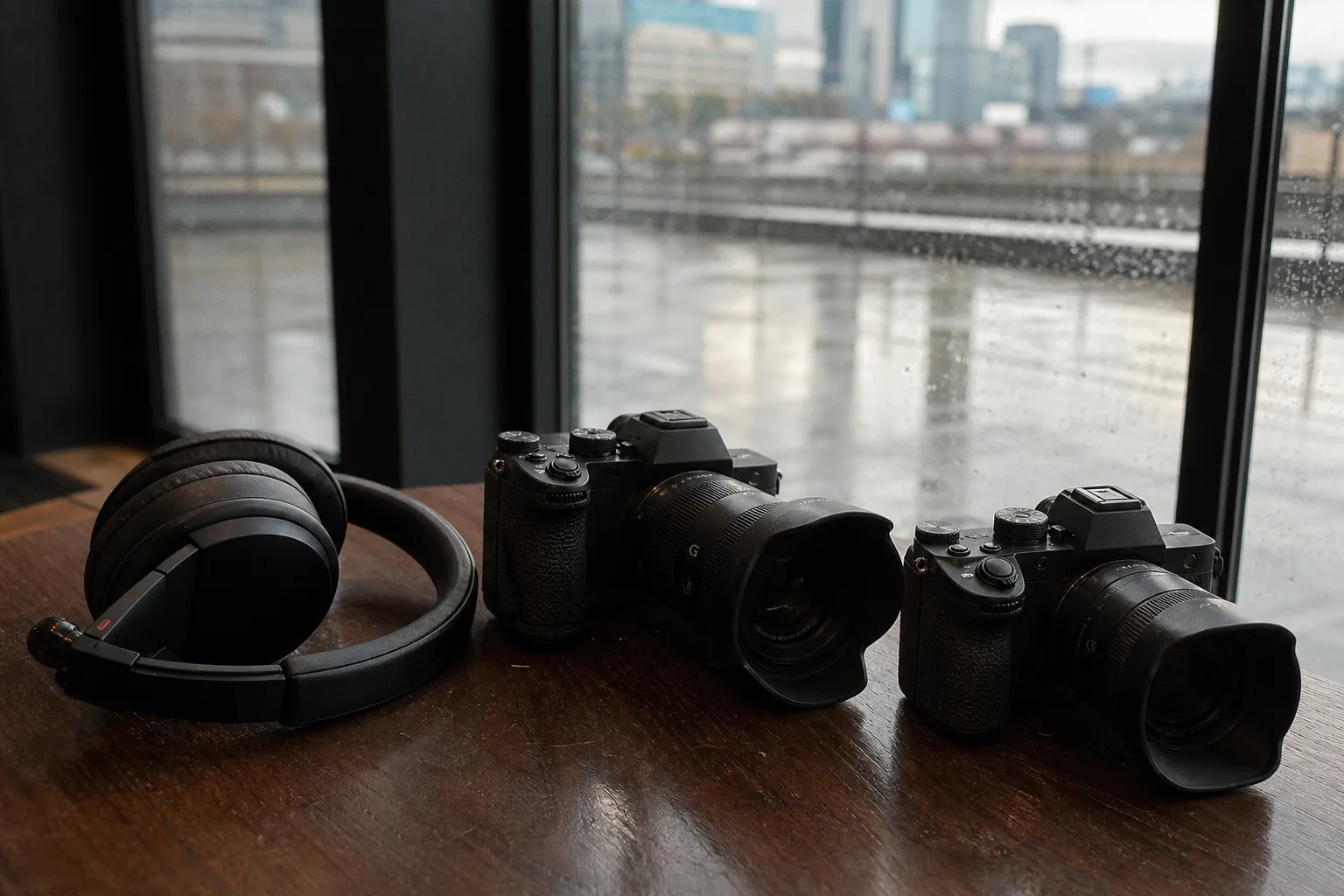
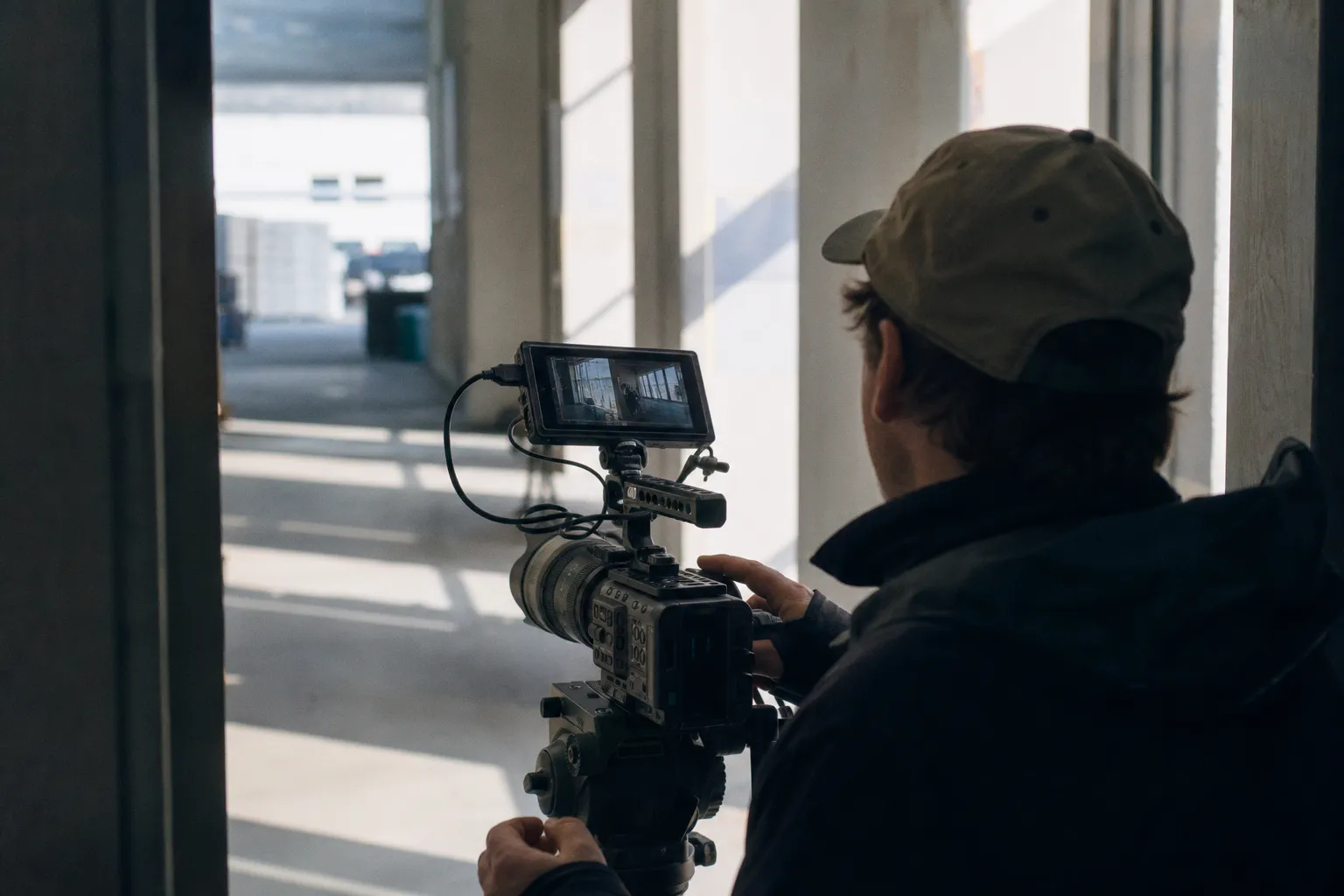
The attraction of a digital-cinema camera in a studio is obvious: larger sensors can support shallow depth of field and a higher-end image vocabulary for live programming. The operational constraint is less forgiving. That camera has to enter an IP switcher environment with predictable latency, correct control paths and no fragile chain of adapters.
The bottleneck is signal transport, not the sensor
UBMS frames the move to 4K and HDR as a strategic realignment rather than a simple hardware refresh. Its roadmap calls for phased integration from SDI infrastructure toward IP workflows, with digital cinema cameras aligned to modern IP switchers.
That distinction matters. A camera body is a discrete acquisition tool. A broadcast plant is a system with tolerances at every handoff. Add 4K, and the margin shrinks.
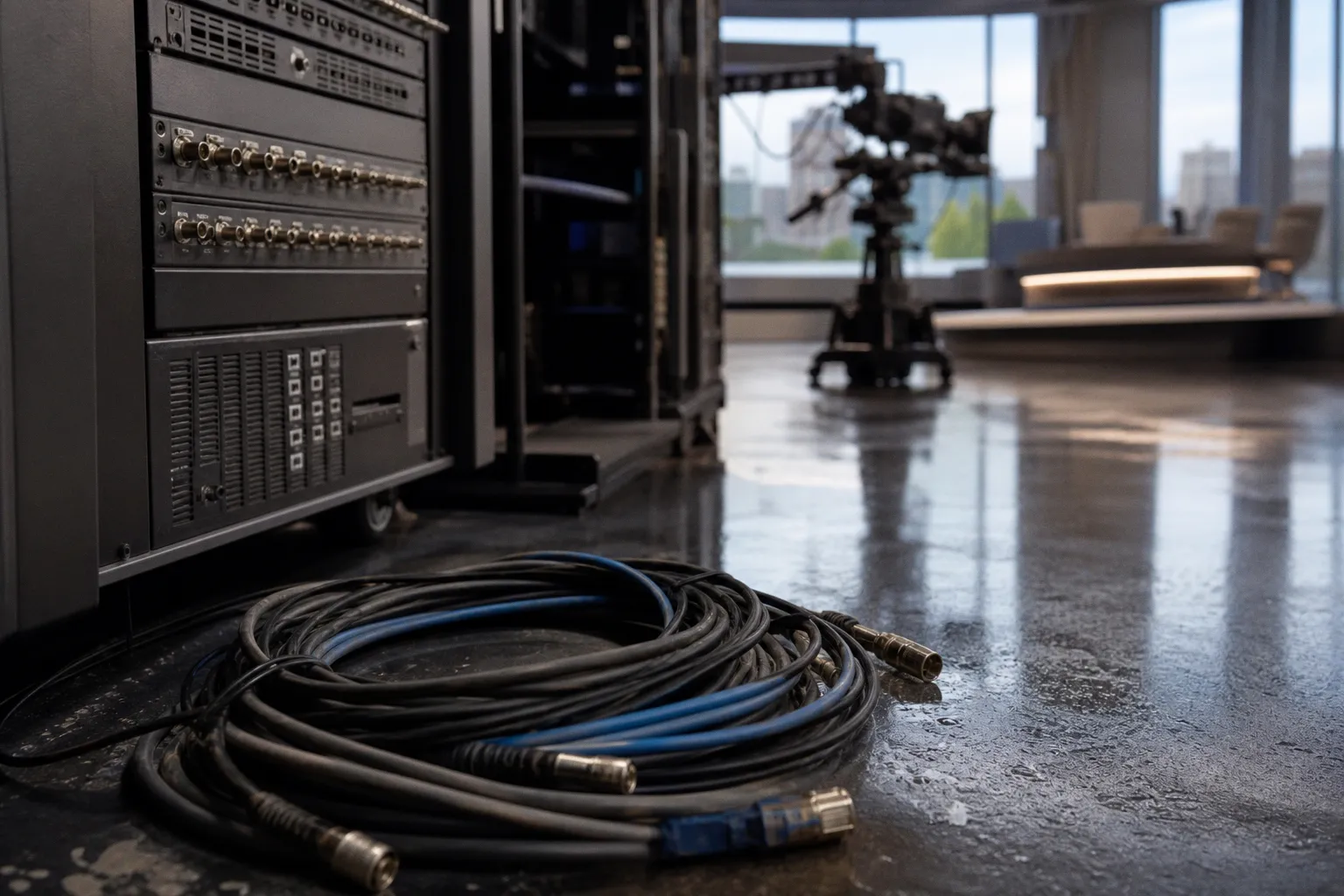
UBMS notes that uncompressed 4K can exceed 12Gbps per stream. In a small facility, 12G-SDI remains a direct point-to-point option. Its limitation is physical: every source, destination and split adds cable runs and routing pressure. In larger operations, the IP case is scale. High-capacity fibre can replace large BNC bundles, provided the network is designed for the load.
The standard named in the roadmap is SMPTE ST 2110. UBMS describes it as a method of carrying separate audio, video and metadata essence streams over professional IP networks. The practical consequence is granular routing: audio and video can move independently rather than being repeatedly embedded, de-embedded and converted.
That is not an automatic quality gain. It is an infrastructure gain. The image only benefits if the facility maintains its signal path, monitoring and production timing.
Check the camera-to-switcher chain first
The recurring failure mode in studio upgrades is a new cinema camera connected to an old control and routing structure. The picture may arrive. That does not establish a robust workflow.
Before approving an acquisition change, production engineering should map:
- the camera output format required by the switcher;
- every conversion point between camera, router, switcher and monitor;
- whether audio, video and metadata need independent routing;
- the bandwidth implication of each 4K source;
- the cable, rack-space and power load of the proposed design.
UBMS argues that IP-capable, multi-format hardware can reduce the chance of a later wholesale replacement. The claim deserves scrutiny at procurement stage. “Multi-format” is not a metric by itself. The relevant test is whether the equipment supports the formats the facility needs now and the signal architecture it intends to operate next.
The guide’s strongest point is financial rather than aesthetic. A full rebuild is rarely viable. A phased system, where legacy SDI continues to carry selected duties while new IP-capable elements take on expansion, gives teams a route to 4K without discarding every working component.
Bigger sensors change the studio floor
UBMS also identifies a production-side effect of deploying Super 35 or full-frame cameras in broadcast environments. Shallow depth of field can isolate a presenter, but it changes the tolerances for focus, lighting and set design.
This is where “cinema camera in the studio” stops being a marketing category. A tighter depth-of-field margin places greater demand on focus discipline. Lighting choices and blocking become part of the technical plan, not a correction after the camera is installed.
The binary verdict: upgrade the transport architecture before treating the camera fleet as the upgrade. If the IP, switching and routing chain is not specified, a 4K camera is simply a high-bandwidth source attached to an old bottleneck.