Sony Expands Creator Ecosystem with New Alpha Cameras and Studio Headphones
RS Web Solutions reports that Sony has presented a creator-focused package built around the Alpha 7C II, ZV-E10 II, ECM-G1 shotgun microphone, and MDR-M1/MDR-MV1 headphones.
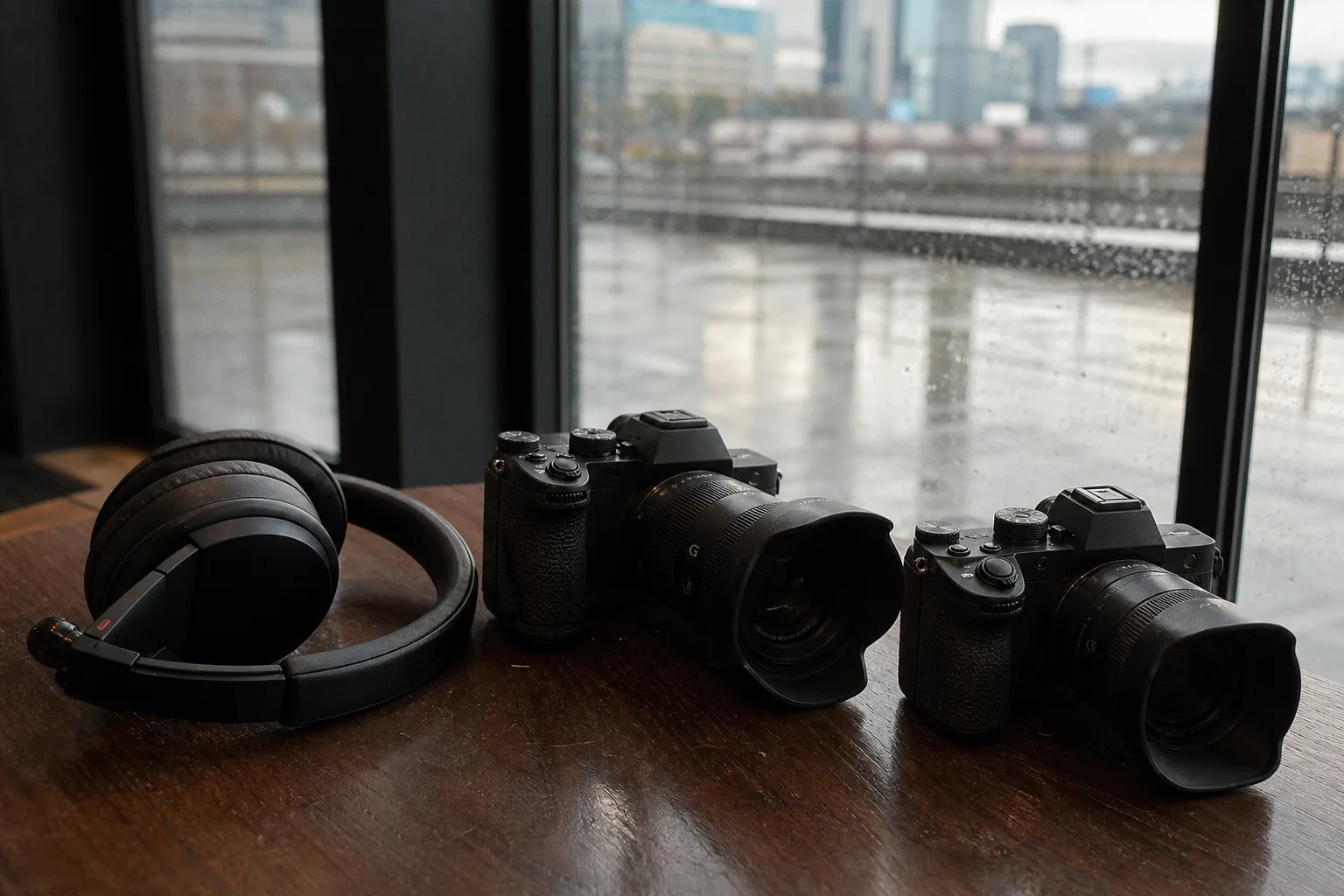
The specification split is clear: a compact full-frame body for higher-end acquisition, an APS-C body aimed at vlogging, then separate monitoring tools for tracking and mixing. For working crews, the headline is not “more creator gear.” It is whether these components close a real capture-to-monitoring gap.
Two cameras, different operating envelopes
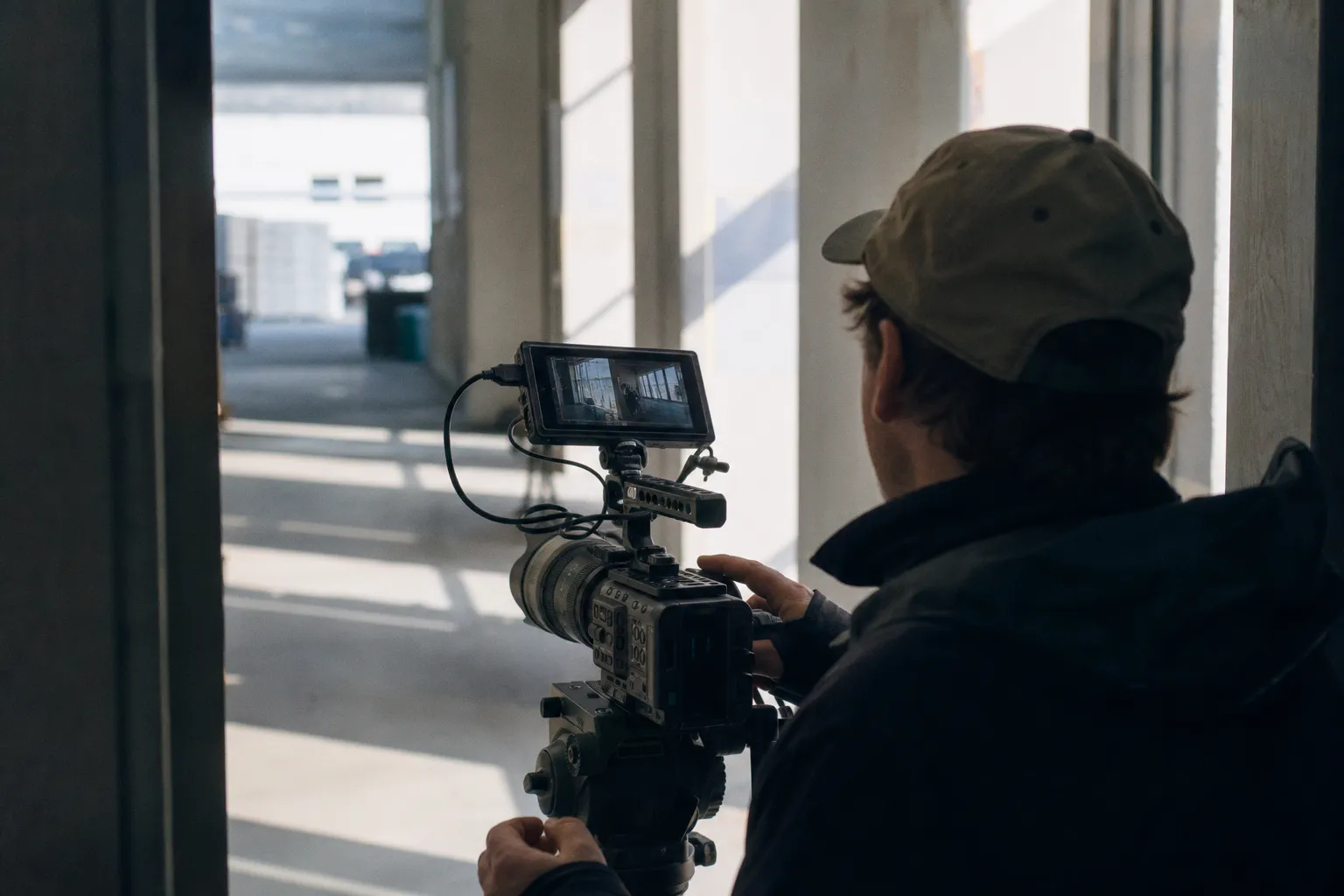
The Alpha 7C II is listed with a 33MP Exmor R CMOS sensor, BIONZ XR processing, a dedicated AI processing unit, in-body stabilisation, real-time recognition autofocus, and 4K capture up to 60 fps. Those are useful production metrics, but they do not by themselves establish rolling-shutter behaviour, recording limits, codec options, thermal tolerance, or 4K image quality at each frame rate.
Its practical appeal is the full-frame sensor in a compact chassis. But crews should verify the actual 4K 60p crop, autofocus consistency under low contrast, and stabilisation behaviour with the lenses they already own. A 33MP stills specification says nothing conclusive about video readout.
Sony’s ZV-E10 II takes a different route: a 26MP APS-C Exmor R CMOS sensor, BIONZ XR processor, 4K recording, extended battery life, plus Cinematic Vlog mode and Creative Looks. The positioning is explicitly vlogging and social output. That makes it a simpler proposition for solo operators, but the naming of modes is not a performance benchmark. Check available recording formats, profile controls, audio handling, and whether the ergonomics still work once a receiver, mic, or monitor occupies the camera rig.
Audio is the more operational part of the release
The ECM-G1 uses a 14.6mm capsule and a super-cardioid pickup pattern. It connects through Sony’s Multi Interface Shoe on compatible cameras, eliminating a separate cable path. That is a meaningful reduction in rig complexity for fast interview, walk-and-talk, and scratch-audio setups.
The limitation is equally straightforward: a super-cardioid pattern is directional, not a solution for uncontrolled location sound. Before treating it as a primary dialogue mic, test off-axis rejection, handling noise, wind protection, and the camera’s input gain structure. The press description says it is designed to reduce ambient sound; it does not provide measured self-noise, maximum SPL, or frequency-response data.
Closed-back tracking versus open-back placement
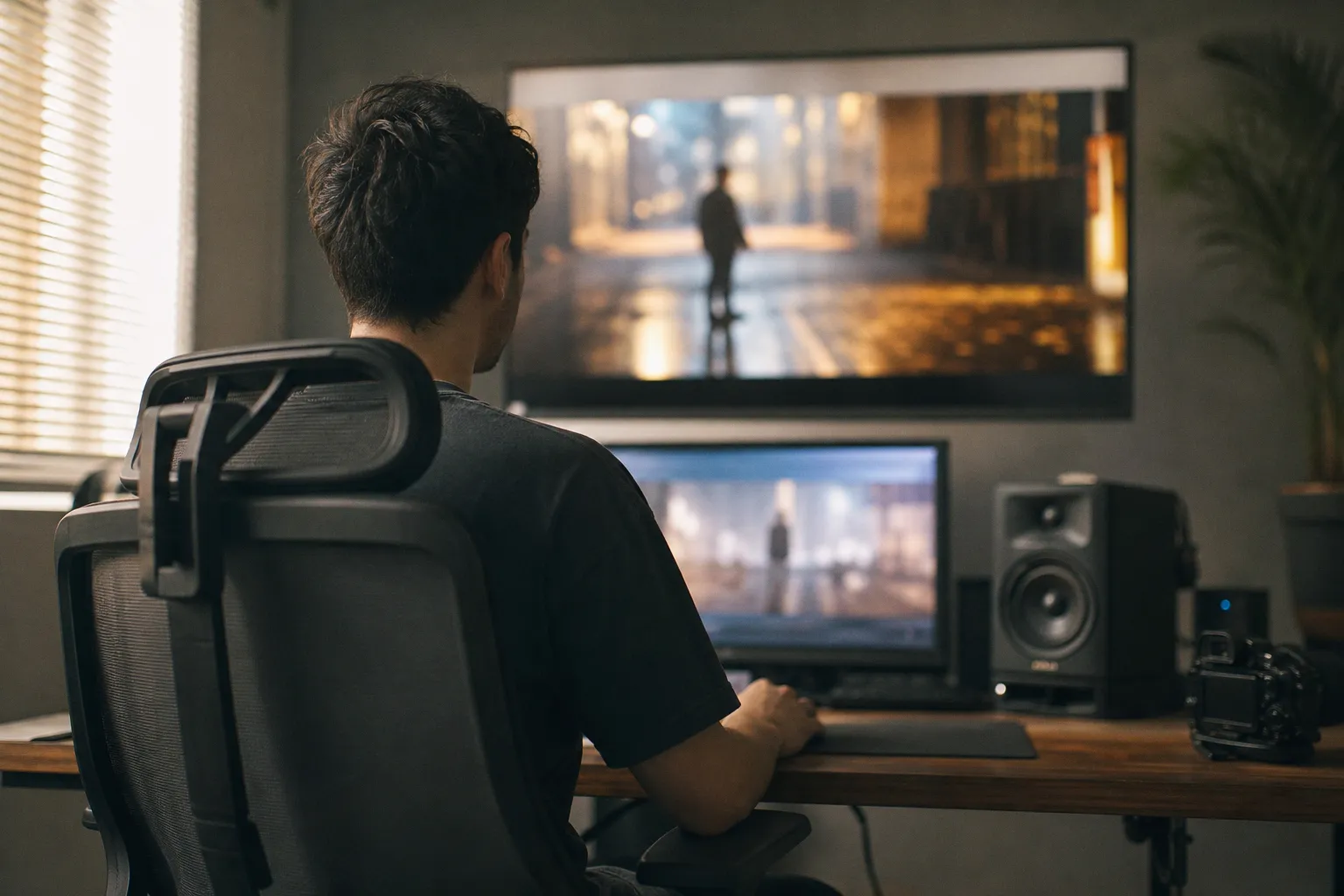
Sony positions the MDR-M1 as the production-monitoring model. It has a closed acoustic design and a claimed 5Hz–80kHz frequency response. Closed-back isolation is the relevant feature on a set or in a noisy edit environment; the bandwidth figure is not enough to judge translation, seal consistency, or low-frequency accuracy.
The MDR-MV1 is the open-back alternative for spatial-audio work and critical music monitoring. Sony says it is designed for wide soundstage and precise localisation. That claim needs to be tested against known mixes and a controlled monitoring chain. Open-back headphones remain poorly suited to tracking in the same room as an open microphone because bleed is a physical constraint, not a marketing category.
The binary verdict: the Alpha 7C II and ZV-E10 II warrant a workflow check, while the ECM-G1 and MDR-M1/MDR-MV1 make sense only when their pickup pattern and acoustic design match the job. Do not buy the range as a system. Validate each link: sensor mode, camera audio path, monitoring isolation, and mix translation.